




Hey there! As a supplier of G43 hooks, I'm super excited to share with you how these awesome hooks work. G43 hooks are a big deal in the lifting and rigging world, and understanding how they function can help you make the most of them.
What Are G43 Hooks?
First off, let's get a basic understanding of what G43 hooks are. G43 hooks are high - strength lifting hooks that are commonly used in various industries like construction, manufacturing, and shipping. They're made from high - test alloy steel, which gives them the strength and durability needed to handle heavy loads.
The "G43" designation comes from the grade of the hook. This grade indicates a certain level of strength and quality, ensuring that the hook can safely lift and secure heavy objects. These hooks are designed to meet strict industry standards, so you can trust them for your lifting needs.
How Do They Work?
The Design
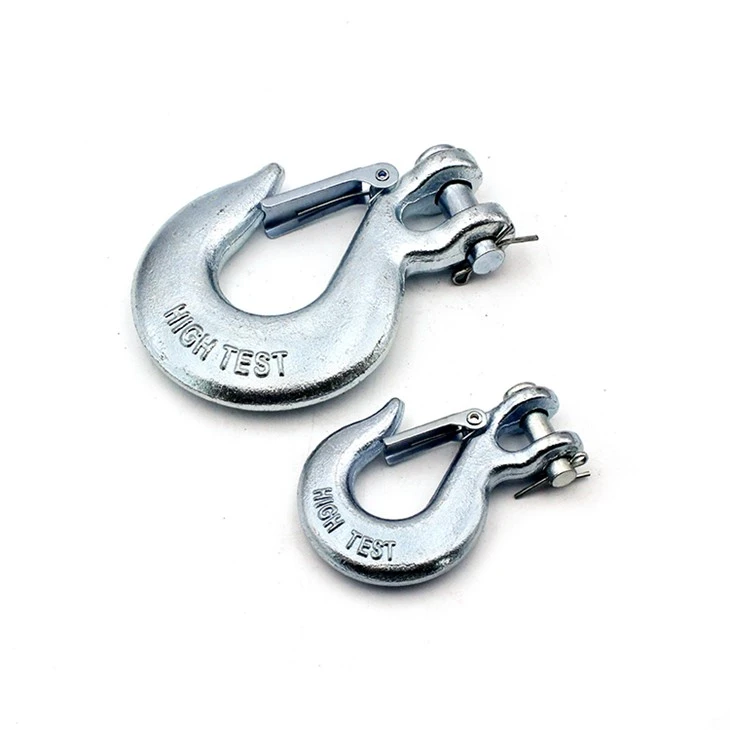
The design of G43 hooks is what makes them so effective. They typically have a curved shape that allows them to easily grip onto the load. The curvature is carefully engineered to distribute the weight evenly across the hook, reducing stress concentrations and preventing the hook from breaking under heavy loads.
At the tip of the hook, there's often a latch or a safety mechanism. This latch helps to keep the load from accidentally slipping out of the hook during lifting operations. It's like an extra layer of security, giving you peace of mind when you're handling valuable or heavy items.
Load Distribution
When a load is attached to a G43 hook, the weight is distributed along the body of the hook. The shape of the hook is designed in such a way that the load is transferred from the point of attachment to the shank of the hook. This even distribution of weight is crucial because it prevents any one part of the hook from bearing too much stress.
For example, if you're lifting a large crate with a G43 hook, the weight of the crate will be spread out over the curved part of the hook and then down to the shank. This way, the hook can handle the load without bending or breaking.

Compatibility with Lifting Equipment
G43 hooks are designed to be compatible with a wide range of lifting equipment. They can be used with chains, slings, and other rigging hardware. This versatility makes them a popular choice for many different lifting applications.
For instance, you can attach a G43 hook to a chain sling and use it to lift a heavy machine in a factory. Or, you can use it with a wire rope sling to hoist a large piece of construction material on a building site.
Types of G43 Hooks
There are several different types of G43 hooks available, each with its own unique features and uses.
Eye Grab Hooks
Eye grab hooks, like the H323 and A323 Forged Eye Grab Hook High Test Or Alloy, have an eye at the top for easy attachment to chains or other lifting devices. The grab part of the hook allows it to quickly and securely grip onto the load. These hooks are great for applications where you need to make quick connections and disconnections.
Clevis Slip Hooks
Clevis slip hooks, such as the H331 and A331 Forged Clevis Slip Hook High Test Or Alloy, have a clevis at the top. The clevis provides a secure connection point and allows the hook to swivel. This swiveling action is useful when you're lifting loads that may shift or rotate during the lifting process.
Eye Slip Hooks
Eye slip hooks, like the H324 and A324 Forged Eye Slip Hook High Test Or Alloy, combine the features of an eye for attachment and a slip mechanism. The slip mechanism allows the hook to be easily adjusted on the load, making it ideal for applications where you need to fine - tune the position of the hook.
Safety Considerations
When using G43 hooks, safety is of the utmost importance. Here are some key safety tips to keep in mind:
- Inspect the Hook Regularly: Before each use, check the hook for any signs of damage, such as cracks, bends, or wear. If you notice any issues, don't use the hook and replace it immediately.
- Use the Right Hook for the Job: Make sure you're using a G43 hook that is rated for the weight and type of load you're lifting. Using an under - rated hook can be extremely dangerous.
- Follow Proper Lifting Procedures: Always follow the recommended lifting procedures for the specific application. This includes using the correct rigging techniques and ensuring that the load is balanced.
Why Choose Our G43 Hooks?
As a supplier of G43 hooks, we take pride in offering high - quality products. Our hooks are made from the best materials and are manufactured to the highest industry standards. We also offer a wide range of hook types and sizes to meet your specific needs.
Our team of experts is always available to help you choose the right hook for your application. Whether you're a small business owner or a large construction company, we can provide you with the right solution at a competitive price.
Contact Us for Procurement
If you're interested in purchasing G43 hooks for your business, we'd love to hear from you. We can provide you with detailed product information, pricing, and delivery options. Just reach out to us, and we'll be happy to assist you in your procurement process.
References
- Industry standards for G43 hooks (e.g., ASME B30.10)
- Manufacturer's guidelines for G43 hook use and maintenance