


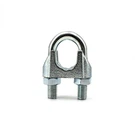


Yo! I'm super stoked to be chatting with you all about the accuracy of a slip hook's weight-bearing capacity today. As a slip hook supplier, I've seen and dealt with a whole bunch of stuff in this field. We're gonna dig deep into this topic, so let's get right into it!
What is a Slip Hook?
First things first, let me give you a quick rundown on what a slip hook is. A slip hook is a type of hook that's designed to be used in a variety of applications where items need to be hooked and unhooked easily. It's got a smooth opening that allows for quick attachment and detachment. You can find these hooks in all sorts of industries, like construction, shipping, and even in your everyday household for hanging stuff.
Why is Weight - Bearing Capacity Important?
The weight - bearing capacity of a slip hook is crucial. It determines how much weight the hook can safely hold without breaking or failing. If you use a hook that can't handle the weight you're putting on it, well, that's just asking for trouble. You could end up with some serious accidents, like heavy objects falling and causing damage to property or, even worse, hurting people.
Imagine you're in a construction site, using a slip hook to lift a heavy beam. If the hook fails due to over - loading, the beam could come crashing down, potentially causing a lot of chaos. So, understanding and getting the right weight - bearing capacity is super important.
Factors Affecting the Accuracy of Weight - Bearing Capacity
There are a few things that can mess with the accuracy of a slip hook's weight - bearing capacity.
Material Quality
The type of material the hook is made from plays a huge role. High - quality steel hooks are generally stronger and more reliable than hooks made from lower - grade materials. The manufacturing process also matters. A well - made hook, where the material is properly heat - treated and shaped, will have a more accurate and higher weight - bearing capacity.
Design
The design of the hook is another big factor. Hooks with a wider throat opening might have a different weight - bearing capacity compared to those with a narrower one. The shape of the hook, like whether it's curved or straight, can also affect how it distributes the weight. A good design will evenly spread the load across the hook, reducing the risk of stress concentration points that could lead to failure.
Wear and Tear
Over time, slip hooks can experience wear and tear. This can be from normal use, friction, or exposure to harsh environments. Rust, dents, and scratches can all weaken the hook and reduce its weight - bearing capacity. So, it's important to regularly inspect your hooks to make sure they're still in good condition.
Testing the Weight - Bearing Capacity
To ensure the accuracy of a slip hook's weight - bearing capacity, proper testing is essential. There are usually two main types of tests:
Static Testing
In static testing, a known weight is gradually applied to the hook until it either fails or reaches its specified weight - bearing limit. This test gives a good idea of how much weight the hook can hold when it's not in motion.
Dynamic Testing
Dynamic testing is a bit more realistic as it simulates the actual use of the hook. Here, the hook is subjected to forces that mimic real - world conditions, like vibration and sudden impacts. This helps to determine the hook's performance under more challenging circumstances.
Standardization and Certification
There are industry standards and certifications that help in ensuring the accuracy of a slip hook's weight - bearing capacity. These standards define the requirements for manufacturing, testing, and labeling of the hooks. When you buy a hook that's certified, you can have more confidence in its weight - bearing capacity.


For example, some standards might require a hook to be tested to a certain safety factor. This means that the hook should be able to handle a weight that's a multiple of its rated capacity without failing. This gives an extra margin of safety.
Our Products and Related Links
As a slip hook supplier, we offer a wide range of high - quality slip hooks with accurate weight - bearing capacities. And we also have some other great products that you might find useful. Check out these links:
- G414 Heavy Duty Thimble Hdg: This is a heavy - duty thimble that can be used in conjunction with our slip hooks in many applications.
- Bs 462 Hot Dipped Galvanized Malleable Wire Rope Clips Clamps: These wire rope clips are great for securing ropes and cables, and they work well with our slip hooks.
- G275 Galvanized Screw Eye Bolt Screw: A useful item for creating a secure attachment point, which can complement the use of our slip hooks.
Making the Right Choice
When you're looking to buy a slip hook, it's important to choose the right one for your needs. You need to consider the weight of the load you'll be carrying, the environment in which the hook will be used, and any industry standards that apply.
If you're not sure which hook is best for you, don't hesitate to reach out. We're here to help you make the right choice. Whether you're in a small DIY project or a large - scale industrial operation, we've got the right hook for you.
Contact Us for Procurement
If you're interested in our slip hooks or any of the other products I mentioned, we'd love to have a chat with you. We can discuss your specific requirements, give you more detailed information about our products, and provide you with a quote. Just get in touch with us for a procurement discussion, and let's work together to find the best solutions for your needs.
References
- Hook Manufacturing Association Guidelines
- Industry standard documents on lifting equipment safety
So, that's all about the accuracy of a slip hook's weight - bearing capacity. I hope this blog has been helpful to you. If you have any questions or comments, feel free to drop them below!