




Can a DIN CHAIN be used in a chemical industry?
In the dynamic landscape of industrial applications, the question of whether a DIN CHAIN can be effectively used in the chemical industry is both relevant and crucial. As a trusted DIN CHAIN supplier, I've witnessed firsthand the diverse needs and challenges across various sectors, and the chemical industry presents a unique set of circumstances that demand careful consideration.


Understanding DIN CHAIN
DIN CHAIN, which adheres to the standards set by the Deutsches Institut für Normung (German Institute for Standardization), is known for its high - quality manufacturing and precise engineering. These chains are available in different sizes, strengths, and configurations, making them suitable for a wide range of mechanical and industrial applications. The standardization ensures consistency in dimensions, load - bearing capacities, and material properties, which are essential for reliable performance.
The Chemical Industry Environment
The chemical industry is characterized by harsh operating conditions. Chemical substances, whether in liquid, gaseous, or solid form, can be highly corrosive, reactive, or abrasive. Temperatures can vary widely, from extremely cold in some storage facilities to very high in chemical reaction vessels. Additionally, the presence of moisture and high humidity levels can further exacerbate the wear and tear on equipment.
Suitability of DIN CHAIN in the Chemical Industry
-
Corrosion Resistance
One of the primary concerns in the chemical industry is corrosion. Standard DIN CHAIN is typically made of carbon steel, which is prone to corrosion when exposed to many chemicals. However, there are solutions available. Special coatings such as galvanization can provide a protective layer on the chain, reducing the risk of corrosion. For more extreme chemical environments, chains made from stainless steel or other corrosion - resistant alloys can be used. Stainless steel DIN CHAIN offers excellent resistance to a wide range of chemicals, including acids, alkalis, and salts. -
Strength and Load - Bearing Capacity
Chemical processing often involves the movement of heavy loads, such as large tanks, reactors, and raw material containers. DIN CHAIN is designed to have high strength and can be selected based on the specific load requirements. Different grades of DIN CHAIN offer varying load - bearing capacities, allowing for the safe and efficient handling of heavy equipment and materials. For example, in a chemical plant where large drums of chemicals need to be lifted and moved, a high - strength DIN CHAIN can ensure reliable operation. -
Compatibility with Chemicals
It is essential to ensure that the chain material is compatible with the specific chemicals present in the industry. Some chemicals may react with the chain material, causing degradation or even failure. For instance, certain acids can dissolve the protective coating on a galvanized chain or react with the metal itself. Before using a DIN CHAIN in a chemical environment, a thorough analysis of the chemical compatibility should be conducted. This may involve consulting with chemical engineers or referring to chemical compatibility charts. -
Temperature Resistance
The chemical industry experiences a wide range of temperatures. Some processes require high - temperature environments, while others operate at low temperatures. DIN CHAIN can be engineered to withstand different temperature ranges. Heat - treated carbon steel chains can handle moderately high temperatures, while special alloys can be used for extremely high - temperature applications. For low - temperature environments, the chain material must maintain its toughness and strength to prevent brittleness and failure.
Examples of DIN CHAIN Applications in the Chemical Industry
- Conveyor Systems
Conveyor systems are widely used in the chemical industry to transport raw materials, intermediate products, and finished goods. DIN CHAIN can be used in these conveyor systems due to its strength and durability. For example, in a chemical packaging plant, a chain - driven conveyor can move chemical containers from one processing stage to another. The standardized dimensions of DIN CHAIN ensure smooth operation and easy replacement of worn - out parts. - Lifting and Hoisting Equipment
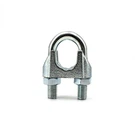
Lifting and hoisting operations are common in chemical plants for installing and maintaining equipment. DIN CHAIN can be used in chain hoists, cranes, and other lifting devices. The high load - bearing capacity of the chain ensures safe lifting of heavy equipment, such as large reactors or storage tanks. For example, a G450 US Type Galvanized Drop Forged Wire Rope Clips, which can be used in conjunction with DIN CHAIN, provides a secure connection for lifting applications. You can find more information about these clips at G450 US Type Galvanized Drop Forged Wire Rope Clips. - Agitator Systems
In chemical reaction vessels, agitator systems are used to mix chemicals thoroughly. DIN CHAIN can be used to drive the agitator blades, providing the necessary power and torque. The chain's strength and reliability ensure continuous operation of the agitator, which is crucial for the success of chemical reactions.
Additional Considerations
- Maintenance and Inspection
Regular maintenance and inspection are essential when using DIN CHAIN in the chemical industry. Due to the harsh operating conditions, the chain may experience accelerated wear and corrosion. Maintenance activities may include cleaning the chain to remove chemical residues, lubricating the chain to reduce friction, and inspecting for signs of damage or wear. Any damaged or worn - out parts should be replaced promptly to prevent equipment failure. - Safety Regulations
The chemical industry is highly regulated, and safety is of utmost importance. When using DIN CHAIN, it is necessary to comply with all relevant safety regulations. This includes ensuring proper installation, using appropriate safety devices such as guards and limit switches, and providing adequate training to operators.
Related Products for Enhanced Performance
In addition to DIN CHAIN, there are other products that can enhance its performance in the chemical industry. Trawling Dee Bow Shackles can be used to connect the chain to other components, providing a secure and reliable connection. You can explore these shackles at Trawling Dee Bow Shackles. Standard Load Binder Red/orange can be used to secure loads during transportation, ensuring safety and stability. More information about these load binders can be found at Standard Load Binder Red/orange.
Conclusion
In conclusion, a DIN CHAIN can be used in the chemical industry with proper considerations. By addressing the issues of corrosion resistance, strength, chemical compatibility, and temperature resistance, DIN CHAIN can provide reliable performance in this challenging environment. Whether it is for conveyor systems, lifting equipment, or agitator systems, DIN CHAIN offers a standardized and efficient solution.
If you are in the chemical industry and are considering using DIN CHAIN for your operations, I encourage you to reach out to discuss your specific requirements. We, as a DIN CHAIN supplier, have the expertise and experience to provide you with the right chain solutions tailored to your needs. Contact us to start a procurement discussion and find the best DIN CHAIN for your chemical applications.
References
- ASM Handbook Volume 13C: Corrosion: Prevention and Control. ASM International.
- Perry's Chemical Engineers' Handbook. McGraw - Hill.
- Standards published by Deutsches Institut für Normung (DIN) related to chains.