




Can a PEAR HOOK be used for software testing automation?
In the world of software development, automation has become a crucial aspect. It not only speeds up the testing process but also enhances the accuracy and reliability of the results. As a PEAR HOOK supplier, I often get asked about the potential uses of our products, and one question that has recently emerged is whether a PEAR HOOK can be used for software testing automation. In this blog post, I will explore this question in detail and provide some insights based on my experience in the industry.
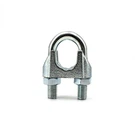
First, let's understand what a PEAR HOOK is. A PEAR HOOK is a type of hook that is commonly used in various industries, including the marine, construction, and transportation sectors. It is designed to provide a secure connection between two objects and is known for its strength and durability. Our company specializes in manufacturing high-quality PEAR HOOKs that meet the strictest industry standards.
Now, let's turn our attention to software testing automation. Software testing automation involves using tools and scripts to execute tests on a software application. The goal is to identify bugs, errors, and other issues before the software is released to the market. Automation can significantly reduce the time and effort required for testing, as well as improve the quality of the software.
So, can a PEAR HOOK be used for software testing automation? At first glance, it may seem like an unlikely combination. After all, a PEAR HOOK is a physical object, while software testing automation is a digital process. However, upon closer examination, there are some potential applications where a PEAR HOOK could be used in conjunction with software testing automation.
One possible use case is in the testing of hardware-software integration. Many software applications interact with hardware devices, such as sensors, cameras, and actuators. To ensure that the software functions correctly with the hardware, it is necessary to perform integration testing. In some cases, a PEAR HOOK could be used to physically connect the hardware device to the testing equipment. For example, if you are testing a software application that controls a robotic arm, you could use a PEAR HOOK to attach the robotic arm to a test stand. This would allow you to simulate real-world conditions and ensure that the software is working correctly with the hardware.
Another potential use case is in the testing of user interfaces. User interfaces are an essential part of any software application, and it is important to ensure that they are easy to use and navigate. One way to test user interfaces is to use automated testing tools that simulate user interactions. However, in some cases, it may be necessary to physically interact with the user interface to test its functionality. For example, if you are testing a touchscreen application, you could use a PEAR HOOK to attach a stylus or other input device to a robotic arm. This would allow you to simulate different types of user interactions and ensure that the user interface is working correctly.
In addition to these specific use cases, a PEAR HOOK could also be used in a more general sense to support the testing process. For example, it could be used to organize and manage testing equipment, such as cables, sensors, and other components. By using a PEAR HOOK to secure these components, you can ensure that they are in the correct position and orientation, which can improve the accuracy and reliability of the testing results.


It is important to note that while a PEAR HOOK could potentially be used for software testing automation, it is not a replacement for traditional testing tools and techniques. Software testing automation requires a combination of technical skills, knowledge, and experience, as well as the use of specialized tools and software. A PEAR HOOK is just one tool that could be used in conjunction with these other resources to enhance the testing process.
If you are interested in exploring the potential uses of a PEAR HOOK for software testing automation, I encourage you to contact us. As a PEAR HOOK supplier, we have a wealth of experience and expertise in the design and manufacture of high-quality hooks. We can work with you to understand your specific requirements and provide you with the best possible solution.
In addition to our PEAR HOOKs, we also offer a range of other products that may be useful for software testing automation. For example, we have Powder Plastified Forged Lashing Buckles that can be used to secure cables and other components, as well as Din741 Stainless Steel Wire Cable Clamp Clips that can be used to attach cables to various surfaces. We also have G80 Eye Foundry Hook that can be used for heavy-duty applications.
If you are interested in learning more about our products or have any questions about how they could be used for software testing automation, please do not hesitate to contact us. We would be happy to discuss your needs and provide you with more information.
In conclusion, while a PEAR HOOK may not be the first thing that comes to mind when thinking about software testing automation, there are some potential applications where it could be used to enhance the testing process. Whether you are testing hardware-software integration, user interfaces, or simply looking for a way to organize and manage your testing equipment, a PEAR HOOK could be a valuable tool. If you are interested in exploring these possibilities further, please contact us to learn more about our products and how they could be used in your specific application.
References
- Software Testing Automation: A Practical Guide, by Mark Fewster and Dorothy Graham
- The Art of Software Testing, by Glenford J. Myers