


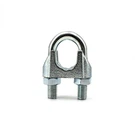


As a supplier of US SLEEVE, I often get asked about the performance and usability of our products in extreme temperature conditions. Extreme temperatures, whether extremely hot or cold, can pose significant challenges to the functionality and durability of various materials and products. In this blog post, I'll delve into the topic of using US SLEEVE in extreme temperatures, exploring its capabilities, limitations, and the factors that influence its performance.


Understanding US SLEEVE
Before we discuss the impact of extreme temperatures, it's important to understand what US SLEEVE is and what it's used for. US SLEEVE is a type of protective sleeve designed to safeguard cables, wires, hoses, and other components from abrasion, cuts, and environmental factors. It is commonly used in industries such as automotive, aerospace, manufacturing, and construction, where reliability and protection are crucial.
Our US SLEEVE is made from high - quality materials that are selected for their strength, flexibility, and resistance to various elements. The specific materials used can vary depending on the application and the requirements of the customer. Some of the common materials include thermoplastics, elastomers, and synthetic fibers, each with its own set of properties that contribute to the overall performance of the sleeve.
The Effects of Extreme Heat
Material Degradation
One of the primary concerns when using US SLEEVE in high - temperature environments is material degradation. When exposed to extreme heat, the polymers and other materials in the sleeve can start to break down. This can lead to a loss of strength, flexibility, and chemical resistance. For example, some thermoplastics may become soft and sticky at high temperatures, losing their ability to provide adequate protection.
However, our US SLEEVE is engineered to withstand a certain range of high temperatures. We use heat - resistant polymers and additives that can maintain their integrity even under elevated temperatures. For instance, some of our sleeves are designed to handle continuous operating temperatures of up to 150°C (302°F) and short - term peak temperatures of even higher values.
Expansion and Contraction
Another issue related to extreme heat is the expansion and contraction of the sleeve. As the temperature rises, the sleeve will expand, and when it cools down, it will contract. This repeated expansion and contraction can cause stress on the sleeve and the components it is protecting. If the expansion is not properly accounted for, it can lead to the sleeve becoming loose or even detaching from the protected object.
To address this, we design our US SLEEVE with appropriate allowances for thermal expansion. The materials are selected to have a relatively low coefficient of thermal expansion, minimizing the amount of expansion and contraction that occurs. Additionally, our sleeves are often designed with features such as adjustable fittings or flexible joints to accommodate any minor changes in size.
The Effects of Extreme Cold
Brittleness
In extremely cold temperatures, the main problem is the brittleness of the materials. Many polymers become more rigid and less flexible as the temperature drops. This can make the US SLEEVE more prone to cracking and breaking, especially if it is subjected to any bending or impact forces.
Our US SLEEVE is formulated to resist brittleness in cold conditions. We use elastomers and other materials that have good low - temperature flexibility. These materials can maintain their toughness and elasticity even at temperatures as low as - 40°C (- 40°F), ensuring that the sleeve continues to provide protection in cold environments.
Reduced Elasticity
Cold temperatures can also reduce the elasticity of the sleeve. This means that it may not be able to stretch or conform to the shape of the protected object as easily. In some cases, this can lead to gaps between the sleeve and the component, reducing the effectiveness of the protection.
To counter this, our sleeves are designed with a high degree of elasticity even at low temperatures. They are able to stretch and fit snugly around the cables or hoses, providing a tight seal that protects against moisture, dust, and other contaminants.
Case Studies and Real - World Applications
High - Temperature Applications
In the automotive industry, our US SLEEVE is used in engine compartments where temperatures can be extremely high. For example, near the exhaust system, the temperature can reach well over 100°C. Our heat - resistant sleeves have been tested and proven to withstand these high temperatures, protecting the wires and hoses from damage due to heat and abrasion.
Low - Temperature Applications
In the aerospace industry, where components are exposed to extremely cold temperatures at high altitudes, our US SLEEVE is used to protect cables and hydraulic hoses. The sleeves maintain their flexibility and strength, ensuring the reliable operation of critical systems even in the coldest of conditions.
Complementary Products
In addition to our standard US SLEEVE, we also offer a range of complementary products that can enhance the performance in extreme temperature conditions. For example, we have the G414 Heavy Duty Thimble Hdg, which is designed to provide additional protection and support in high - stress applications. This heavy - duty thimble can be used in conjunction with our US SLEEVE to ensure maximum durability.
We also have the G411 Standard Light Duty Thimble Eg, which is suitable for less demanding applications. It can be used to reinforce the ends of the US SLEEVE, preventing fraying and providing a neat finish.
Conclusion
In conclusion, our US SLEEVE is designed to perform well in a wide range of temperature conditions, including extreme heat and cold. Through careful material selection, engineering, and testing, we have ensured that our sleeves can withstand the challenges posed by extreme temperatures. However, it's important to note that the specific performance of the sleeve will depend on the exact temperature range, the duration of exposure, and the application.
If you are considering using US SLEEVE in extreme temperature conditions, I encourage you to contact us for more information. Our team of experts can help you select the right product for your specific needs and provide you with detailed technical specifications. Whether you are in the automotive, aerospace, or any other industry, we are here to provide you with high - quality protective solutions. Reach out to us to start a discussion about your procurement needs and how our US SLEEVE can benefit your operations.
References
- "Handbook of Polymer Science and Technology" by Joel R. Fried
- "Engineering Materials and Their Applications" by Donald Askeland and Pradeep Fulay