


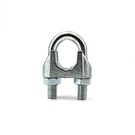


Can turnbuckles be used for elevator installations? This is a question that often comes up in the elevator industry and among those involved in construction and equipment installation. As a turnbuckle supplier, I've had numerous discussions with clients and industry professionals about the suitability of turnbuckles for elevator applications. In this blog post, I'll explore the potential use of turnbuckles in elevator installations, considering their functionality, safety, and relevant industry standards.
Understanding Turnbuckles
Before delving into their use in elevator installations, it's essential to understand what turnbuckles are and how they work. Turnbuckles are mechanical devices used to adjust the tension or length of ropes, cables, or rods. They consist of two threaded eye bolts or hooks connected to a central body, which can be rotated to either tighten or loosen the assembly. This adjustability makes turnbuckles a versatile tool in various industries, including construction, marine, and transportation.
There are different types of turnbuckles available, each designed for specific applications. For example, the US Type Galvanized Forged Turnbuckle Jaw and Eye is commonly used when one end needs to be attached to an eye and the other to a jaw. The US Type Forged Steel Wire Rope Turnbuckle Body is specifically designed for use with wire ropes, providing a strong and reliable connection. Another popular type is the US Type Galvanized Forged Turnbuckle Jaw and Jaw, which is suitable for applications where both ends require a jaw connection.
Potential Uses of Turnbuckles in Elevator Installations
In elevator installations, turnbuckles can serve several important functions. One of the primary uses is in the adjustment of elevator cables. Elevator cables need to be properly tensioned to ensure smooth and safe operation. Turnbuckles can be used to fine-tune the tension of these cables, compensating for any changes in length due to factors such as temperature variations or normal wear and tear.


Another potential application is in the installation of elevator counterweights. Counterweights are an essential component of elevator systems, helping to balance the weight of the elevator car and reduce the amount of energy required to operate the elevator. Turnbuckles can be used to adjust the position and tension of the cables connected to the counterweights, ensuring that they are properly aligned and functioning correctly.
Turnbuckles can also be used in the installation of elevator guide rails. Guide rails are used to guide the elevator car and counterweights along the shaft, ensuring smooth and stable movement. By using turnbuckles to adjust the tension of the cables or rods supporting the guide rails, installers can ensure that the guide rails are properly aligned and secure.
Safety Considerations
While turnbuckles can be a useful tool in elevator installations, it's important to consider safety factors. Elevator systems are subject to strict safety regulations and standards, and any components used in their installation must meet these requirements. When using turnbuckles in elevator installations, it's essential to ensure that they are made from high-quality materials and are designed to withstand the loads and stresses they will be subjected to.
In addition, proper installation and maintenance of turnbuckles are crucial to ensure their safe and reliable operation. Installers should follow the manufacturer's instructions carefully and use the appropriate tools and techniques to install the turnbuckles. Regular inspections and maintenance should also be carried out to check for any signs of wear, damage, or corrosion.
Industry Standards and Regulations
The elevator industry is highly regulated, and there are specific standards and regulations that govern the use of components such as turnbuckles in elevator installations. These standards are designed to ensure the safety and reliability of elevator systems and protect the lives of passengers and maintenance personnel.
For example, the American Society of Mechanical Engineers (ASME) has developed a set of standards for elevator construction and installation, known as the ASME A17 code. This code includes requirements for the design, installation, and maintenance of elevator components, including turnbuckles. Compliance with these standards is mandatory in many countries and is essential for ensuring the safety and legality of elevator installations.
Conclusion
In conclusion, turnbuckles can be used for elevator installations, provided that they are selected, installed, and maintained correctly. They offer a practical and effective solution for adjusting the tension and length of cables, rods, and other components in elevator systems. However, it's important to consider safety factors and comply with relevant industry standards and regulations.
As a turnbuckle supplier, I'm committed to providing high-quality products that meet the needs of the elevator industry. Our turnbuckles are made from premium materials and are designed to withstand the harsh conditions and heavy loads associated with elevator installations. If you're involved in elevator installation or maintenance and are considering using turnbuckles, I encourage you to contact us to discuss your specific requirements. We'll be happy to provide you with more information and help you select the right turnbuckles for your project.
References
- American Society of Mechanical Engineers (ASME). ASME A17 Code for Safety of Elevators and Escalators.
- Elevator Industry Standards and Regulations: A Global Overview. [Publisher Name], [Year].
- Turnbuckle Design and Application Guide. [Manufacturer Name], [Year].