


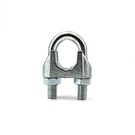


As a supplier of G70 HOOKs, I've often been asked whether these essential lifting tools need regular inspections. The answer is a resounding yes, and in this blog, I'll explain why regular inspections are crucial for the safety and performance of G70 HOOKs.
Understanding G70 HOOKs
G70 HOOKs are high - strength alloy steel hooks commonly used in the transportation and rigging industries. They are known for their excellent strength - to - weight ratio and are designed to handle heavy loads safely. These hooks are often used in applications such as trucking, logging, and construction, where reliable lifting equipment is essential.
We offer a variety of G70 HOOK products, including the 320a 320c Eye Hoist Hook Forged Alloy Carbon, the 322a 322c Swivel Hook Forged Alloy Carbon, and the H323 and A323 Forged Eye Grab Hook High Test Or Alloy. Each of these hooks is engineered to meet specific industry requirements and standards.
Reasons for Regular Inspections
Safety First
The primary reason for regular inspections of G70 HOOKs is safety. These hooks are used to lift and secure heavy loads, and any failure can result in serious accidents, injuries, or even fatalities. Over time, G70 HOOKs can be subjected to wear and tear, corrosion, and damage from improper use. Regular inspections can help identify potential issues before they become critical.
For example, a hook that has been damaged due to overloading may have cracks or deformations that are not visible to the naked eye. A thorough inspection using appropriate tools and techniques can detect these hidden flaws, allowing for timely replacement or repair.
Compliance with Regulations
In many industries, regular inspections of lifting equipment, including G70 HOOKs, are required by law. Regulatory bodies such as the Occupational Safety and Health Administration (OSHA) in the United States have specific guidelines regarding the inspection, maintenance, and use of lifting devices. By conducting regular inspections, companies can ensure compliance with these regulations and avoid costly fines and legal issues.
Maintaining Performance
Regular inspections also help maintain the performance of G70 HOOKs. A hook that is in good condition will operate more smoothly and efficiently, reducing the risk of load slippage or other operational problems. For instance, a swivel hook that has been inspected and lubricated regularly will rotate freely, allowing for better load positioning and easier handling.
Inspection Procedures
Visual Inspection
The first step in inspecting a G70 HOOK is a visual inspection. This involves looking for obvious signs of damage, such as cracks, bends, or corrosion. Inspectors should check the entire surface of the hook, including the throat area, the point, and the shank. Any signs of wear, such as excessive abrasion or pitting, should also be noted.


Dimensional Checks
In addition to visual inspection, dimensional checks are also important. The hook's dimensions, such as the throat opening and the hook radius, should be measured to ensure they are within the specified tolerances. Any deviation from the standard dimensions can affect the hook's performance and safety.
Non - Destructive Testing
For more in - depth inspections, non - destructive testing (NDT) methods can be used. These methods, such as magnetic particle testing or ultrasonic testing, can detect internal flaws that are not visible during a visual inspection. NDT is particularly useful for detecting cracks or other defects in the hook's material.
Frequency of Inspections
The frequency of inspections depends on several factors, including the frequency of use, the type of application, and the environment in which the hook is used. In general, hooks that are used frequently or in harsh environments should be inspected more often.
For example, hooks used in a busy construction site may need to be inspected on a weekly or monthly basis, while hooks used less frequently in a warehouse setting may only need to be inspected quarterly or annually. It's also important to conduct an inspection before each use for any signs of damage or wear that may have occurred since the last inspection.
Consequences of Skipping Inspections
Skipping regular inspections of G70 HOOKs can have serious consequences. As mentioned earlier, it can lead to safety hazards, non - compliance with regulations, and reduced performance. In addition, if an accident occurs due to a hook failure and it is found that the hook was not properly inspected, the company using the hook may be held liable for any damages or injuries.
Conclusion
In conclusion, regular inspections of G70 HOOKs are essential for safety, compliance, and performance. As a supplier, I strongly recommend that our customers establish a regular inspection schedule for their G70 HOOKs. By doing so, they can ensure the longevity and reliability of their lifting equipment, protect their employees and assets, and avoid costly downtime and legal issues.
If you are in the market for high - quality G70 HOOKs or need more information about our inspection services, please feel free to contact us for procurement and further discussions. We are committed to providing our customers with the best products and services to meet their lifting needs.
References
- Occupational Safety and Health Administration (OSHA). "Lifting Devices and Rigging Equipment Standards."
- American Society of Mechanical Engineers (ASME). "B30.10 - Hooks Standard."
- Industry best practices and guidelines for the use and inspection of lifting equipment.