


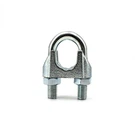


Hey there! As a shackle supplier, I've seen firsthand how crucial it is to secure these little guys properly. Shackles are used in all sorts of industries, from construction to marine work, and an accidental opening can lead to some serious problems. So, let's dive into how you can keep your shackles from popping open when you least expect it.
Understanding the Basics of Shackles
First off, what exactly is a shackle? It's a U-shaped piece of metal with a pin or bolt across the opening. Shackles come in different types and sizes, each designed for specific applications. For example, we've got the US Type Forged Round Pin Chain Dee Shackle G215, which is great for general-purpose lifting and towing. Then there's the Galvanized US Type Bolt Type Chain D Shackle G2150, which offers more security with its bolt design, and the US Standard Bolt Type Anchor Bow Shackle G2130, often used in marine and heavy-duty applications.
Choosing the Right Shackle for the Job
Before you even think about securing a shackle, you need to make sure you've got the right one for the task at hand. Consider the load capacity, the environment it'll be used in, and the type of connection it needs to make. For instance, if you're working in a corrosive environment like a saltwater dock, a galvanized shackle would be a smart choice. And if you're dealing with heavy loads, you'll want a shackle with a high working load limit.
Securing a Shackle with a Pin
Let's start with shackles that use a pin. These are the simplest type, but they still need to be secured properly. Here's how:
- Inspect the Pin and Shackle: Before you install the pin, give it and the shackle a good once-over. Look for any signs of damage, like cracks or bends. If you find any, don't use it – get a new one.
- Insert the Pin: Line up the pin holes in the shackle and insert the pin. Make sure it goes all the way through and fits snugly.
- Secure the Pin: Most pins have a cotter pin or a split pin that goes through a hole at the end of the pin. This prevents the pin from sliding out. Insert the cotter pin and bend the ends to lock it in place.
Securing a Shackle with a Bolt
Shackles with bolts offer more security, but they also require a bit more work to install. Here's what you need to do:


- Inspect the Bolt and Nut: Just like with the pin, check the bolt and nut for any damage. Make sure the threads are in good condition.
- Insert the Bolt: Place the bolt through the holes in the shackle. Make sure it's straight and goes all the way through.
- Tighten the Nut: Use a wrench to tighten the nut onto the bolt. Make sure it's tight, but don't over-tighten it – you don't want to damage the threads or the shackle.
- Use a Locking Device: To prevent the nut from coming loose, you can use a locking device like a lock washer or a nylon-insert lock nut. These add an extra layer of security.
Additional Security Measures
In some cases, you might need to take extra steps to secure a shackle. Here are a few additional measures you can take:
- Weld the Pin or Bolt: If you're in a high-stress situation where there's a risk of the pin or bolt coming loose, you can weld it in place. This should only be done by a qualified welder, as improper welding can weaken the shackle.
- Use a Safety Wire: Another option is to use a safety wire to secure the pin or bolt. Wrap the wire around the pin or bolt and through a hole in the shackle, then twist the ends of the wire together to lock it in place.
- Regular Inspections: No matter how well you secure a shackle, it's important to inspect it regularly for signs of wear and tear. Check the pin, bolt, and shackle for any damage, and replace them if necessary.
Maintaining Your Shackles
Proper maintenance is key to keeping your shackles secure. Here are a few tips:
- Clean Them Regularly: Dirt, debris, and corrosion can weaken a shackle over time. Clean your shackles regularly with a wire brush and a mild detergent, then dry them thoroughly.
- Lubricate the Moving Parts: If your shackle has a pin or bolt that moves, lubricate it with a light oil or grease. This will help prevent rust and make it easier to install and remove the pin or bolt.
- Store Them Properly: When you're not using your shackles, store them in a dry, clean place. Avoid storing them in a damp or corrosive environment, as this can cause them to rust.
Conclusion
Securing a shackle to prevent it from opening accidentally is essential for safety and reliability. By choosing the right shackle for the job, following the proper installation procedures, and taking additional security measures when necessary, you can ensure that your shackles stay in place and do their job. And if you're in the market for high-quality shackles, don't hesitate to reach out to us. We're here to help you find the right shackles for your needs and provide you with the support and expertise you need to use them safely and effectively.
References
- American Society of Mechanical Engineers (ASME). (2018). B30.26 - Slings.
- Occupational Safety and Health Administration (OSHA). (2018). 29 CFR 1910.184 - Slings.