


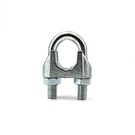


As a seasoned supplier of shackles, I've witnessed firsthand the crucial role these seemingly simple tools play in various industries. Shackles are used in countless applications, from marine and construction to manufacturing and rigging. But with the diverse range of shackles available, understanding how to use a shackle key effectively is essential for both safety and efficiency. In this blog, I'll share my insights on using a shackle key, covering everything from the basics to advanced techniques.


Understanding the Shackle Key
Before delving into how to use a shackle key, it's important to understand what it is and why it's necessary. A shackle key is a specialized tool designed to open and close the pin of a shackle. It provides a secure and efficient way to handle shackles, ensuring that they are properly fastened and released. There are different types of shackle keys available, each designed for specific types of shackles. Some common types include the bolt-type, screw-pin, and chain dee shackles.
Types of Shackles and Their Keys
Let's take a closer look at some of the most common types of shackles and the corresponding keys used to operate them.
US Standard Bolt Type Anchor Bow Shackle G2130
The US Standard Bolt Type Anchor Bow Shackle G2130 is a heavy-duty shackle commonly used in marine and industrial applications. It features a bolt-type pin that requires a specific key to open and close. The key for this type of shackle is typically a socket wrench or a spanner that fits the size of the bolt. To use the key, simply insert it into the bolt head and turn it counterclockwise to loosen the bolt. Once the bolt is loose, you can remove it and open the shackle. To close the shackle, insert the bolt and tighten it using the key in a clockwise direction.
US Type Forged Screw Pin Anchor or Bow Shackle G209
The US Type Forged Screw Pin Anchor or Bow Shackle G209 is another popular type of shackle. It has a screw-pin design, which means the pin can be easily removed by turning it counterclockwise by hand. However, in some cases, a shackle key may still be used to ensure a more secure and efficient operation. A key for this type of shackle is usually a simple tool with a flat end that can be inserted into the slot on the screw pin. By turning the key counterclockwise, you can quickly remove the pin and open the shackle. To close it, insert the pin and turn it clockwise until it is tight.
Jis Type Screw Pin Chain Dee Shackle with Counter Sunk Head
The Jis Type Screw Pin Chain Dee Shackle with Counter Sunk Head is commonly used in chain applications. It has a screw pin with a counter-sunk head, which requires a specific key for removal and installation. The key for this shackle is designed to fit the shape of the counter-sunk head. Insert the key into the head and turn it counterclockwise to remove the pin. When closing the shackle, insert the pin and use the key to turn it clockwise until it is firmly in place.
Step-by-Step Guide on Using a Shackle Key
Now that we've covered the different types of shackles and their keys, let's go through a step-by-step guide on how to use a shackle key properly.
- Inspect the Shackle and Key: Before using the shackle and key, carefully inspect them for any signs of damage, wear, or corrosion. A damaged shackle or key can compromise safety and performance. If you notice any issues, replace the shackle or key immediately.
- Select the Right Key: Make sure you have the correct key for the type of shackle you are using. Using the wrong key can damage the shackle and may not provide a secure connection.
- Position the Shackle: Place the shackle in the desired position, ensuring that it is properly aligned with the objects it will be connecting.
- Insert the Key: Insert the key into the appropriate part of the shackle pin. For bolt-type shackles, insert the key into the bolt head. For screw-pin shackles, insert the key into the slot or the counter-sunk head.
- Turn the Key: Use the key to turn the pin in the appropriate direction. For opening the shackle, turn the key counterclockwise. For closing the shackle, turn the key clockwise. Apply steady pressure to ensure a smooth operation.
- Check the Tightness: After closing the shackle, check the tightness of the pin. It should be snug but not over-tightened. Over-tightening can damage the shackle and make it difficult to remove the pin later.
- Verify the Connection: Once the shackle is closed, verify that the connection is secure. Give the connected objects a gentle tug to ensure that the shackle is holding properly.
Advanced Tips for Using a Shackle Key
In addition to the basic steps, here are some advanced tips to help you use a shackle key more effectively.
- Lubrication: Applying a small amount of lubricant to the shackle pin can make it easier to turn the key and reduce wear. However, make sure to use a lubricant that is compatible with the material of the shackle.
- Use a Torque Wrench: For bolt-type shackles, using a torque wrench can ensure that the bolt is tightened to the correct specifications. This helps to prevent over-tightening or under-tightening, which can affect the safety and performance of the shackle.
- Keep Spare Keys: It's a good idea to keep spare shackle keys on hand in case the original key is lost or damaged. This can save time and prevent delays in your operations.
- Proper Storage: When not in use, store the shackles and keys in a dry, clean place to prevent corrosion and damage.
Safety Considerations
Using a shackle key involves certain risks, so it's important to follow safety guidelines at all times.
- Wear Protective Gear: When handling shackles and keys, wear appropriate protective gear, such as gloves and safety glasses, to prevent injuries.
- Follow Load Ratings: Make sure to use shackles that are rated for the load they will be carrying. Overloading a shackle can cause it to fail, leading to serious accidents.
- Train Your Staff: If you have employees who will be using shackles and keys, provide them with proper training on how to use them safely and correctly.
- Regular Maintenance: Regularly inspect and maintain your shackles and keys to ensure they are in good working condition. Replace any worn or damaged parts immediately.
Conclusion
Using a shackle key may seem like a simple task, but it requires knowledge, skill, and attention to detail. By understanding the different types of shackles and their keys, following the proper steps, and taking safety precautions, you can ensure that your shackle operations are safe and efficient. As a shackle supplier, I'm committed to providing high-quality shackles and keys, as well as the support and expertise you need to use them effectively. If you have any questions about our products or need assistance with using a shackle key, don't hesitate to contact us. We're here to help you make the right choices for your specific applications. Whether you're in the marine, construction, or manufacturing industry, we have the shackles and keys to meet your needs. Let's work together to ensure your projects are successful and safe.
References
- "Shackle Handbook" - Industry standard publication on shackle usage and safety.
- Manufacturer's guidelines for US Standard Bolt Type Anchor Bow Shackle G2130, US Type Forged Screw Pin Anchor or Bow Shackle G209, and Jis Type Screw Pin Chain Dee Shackle with Counter Sunk Head.