


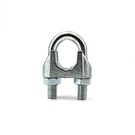


Hey there! As a supplier of G80 HOOKs, I've seen firsthand how versatile these hooks can be in a whole bunch of different applications. Today, I'm gonna share with you some tips on how to adjust the G80 HOOK for different uses.
First off, let's talk about what makes the G80 HOOK so special. These hooks are made from high - strength alloy steel, which gives them a really high working load limit. They're also heat - treated to ensure they're tough and durable. Whether you're in the construction industry, the shipping business, or just need a reliable hook for some DIY projects, the G80 HOOK is a great choice.
Adjusting for Lifting Heavy Loads
When you're using the G80 HOOK for lifting heavy loads, like in a construction site or a warehouse, there are a few key things to keep in mind.
Check the Working Load Limit (WLL)
Before you start using the hook, always check the WLL. This is the maximum weight that the hook can safely lift. You can usually find this information stamped on the hook itself. Make sure the load you're lifting is within this limit. Overloading the hook can cause it to break, which is super dangerous.
Inspect the Hook
Give the hook a good once - over before each use. Look for any signs of damage, like cracks, bends, or excessive wear. If you notice any of these issues, don't use the hook. Replace it immediately. A damaged hook can fail under stress, leading to serious accidents.
Proper Attachment
When attaching the hook to the load, make sure it's done correctly. For example, if you're using a G80 Eye Grab Hook, ensure that the eye of the hook is securely attached to the lifting device, such as a crane or a hoist. And when grabbing the load, make sure the hook is firmly engaged.
Using in Towing Applications
G80 HOOKs can also be used in towing applications, like towing a trailer or a boat.
Alignment
When using the hook for towing, proper alignment is crucial. The hook should be aligned in such a way that the force is evenly distributed. If the hook is misaligned, it can cause uneven stress on the hook, which may lead to failure.
Locking Mechanisms
Some G80 HOOKs come with locking mechanisms, like latches. In towing applications, these latches are really important. They prevent the hook from accidentally disengaging during towing. Make sure the latch is properly closed and functioning before you start towing.
Connecting with Web Slings
If you're using a Web Sling Connector with your G80 HOOK, here's how to adjust it properly.
Sling Placement
Place the web sling in the hook correctly. The sling should be centered in the hook to ensure even load distribution. Avoid having the sling twisted or kinked, as this can weaken the sling and the hook connection.
Tightening
Once the sling is in place, make sure it's tightened properly. You don't want it to be too loose, as it can slip out of the hook. But also, don't overtighten it to the point where it damages the sling.
Safety in Rigging
In rigging applications, safety is the top priority.
Angle of Loading
The angle at which the load is applied to the hook matters. When the load is applied at an angle, the effective working load limit of the hook decreases. You need to take this into account and make sure the hook can still handle the load at the given angle.
Multiple Hooks
Sometimes, you may need to use multiple G80 HOOKs in a rigging setup. When doing this, make sure they're all properly adjusted and balanced. Uneven loading on multiple hooks can cause some hooks to bear more weight than they should, increasing the risk of failure.
Using the G80 Clevis Safety Sling Hook with Latch
The G80 Clevis Safety Sling Hook with Latch is a great option for many applications.
Latch Function
The latch on this hook is designed to keep the sling or load secure. Before using the hook, test the latch to make sure it opens and closes smoothly. And always make sure the latch is closed when the hook is in use.
Clevis Attachment
The clevis part of the hook needs to be attached correctly. Make sure the pins are properly inserted and secured. A loose clevis can cause the hook to come apart, which is extremely dangerous.
Maintenance and Storage
To keep your G80 HOOKs in good condition, regular maintenance and proper storage are essential.
Cleaning
After each use, clean the hook to remove any dirt, debris, or rust. You can use a wire brush and some mild cleaning agents. This helps prevent corrosion and keeps the hook looking and working great.
Lubrication
Some parts of the hook, like the latch mechanism, may need lubrication. Use a suitable lubricant to keep these parts moving smoothly.
Storage
Store the hooks in a dry place. Avoid leaving them outside in the elements, as this can cause rust and damage. You can hang them up or store them in a toolbox.


In conclusion, adjusting the G80 HOOK for different applications requires a good understanding of the hook's features and the specific requirements of each use. By following these tips, you can ensure the safe and effective use of these hooks.
If you're interested in purchasing high - quality G80 HOOKs for your projects, feel free to reach out to us for a discussion. We can provide you with the right hooks and offer more advice on their use.
References
- General knowledge of G80 HOOKs from industry experience.
- Manufacturer's guidelines for G80 HOOK products.