


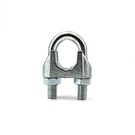


Hey there! As an eye bolt supplier, I've seen firsthand how crucial it is to ensure these little guys are in tip - top shape. Eye bolts are used in a wide range of applications, from machinery to lifting heavy loads. A damaged eye bolt can spell disaster, so it's super important to know how to check if one's damaged.
Visual Inspection
The first and easiest way to check an eye bolt is through a simple visual inspection. Start by looking at the surface of the bolt. Rust is a common issue, especially if the bolt has been exposed to moisture. Rust can weaken the metal over time, making it more prone to breakage. For example, if you're using an eye bolt outdoors or in a humid environment, rust can start to form pretty quickly.
You should also look for any signs of cracks or chips. These can be small and easy to miss, so take your time and examine the bolt closely. Cracks can spread under stress, leading to a sudden failure of the eye bolt. Even a tiny crack can be a big problem, so don't ignore it.
Another thing to check is the threading. The threads should be clean and well - defined. If the threads are damaged or worn, it can affect the bolt's ability to be properly tightened. Loose eye bolts are a major safety hazard, as they can come loose during use.
Dimensional Checks
Measuring the dimensions of the eye bolt is also an important step. You'll need a caliper or a micrometer for this. First, measure the diameter of the shank. If the diameter is smaller than the specified size, it could mean the bolt has been worn down or damaged.
Next, measure the length of the shank and the eye. Any significant deviation from the standard dimensions can indicate a problem. For instance, if the eye is distorted or the shank is bent, it can affect the bolt's performance.
You can refer to the product specifications for the correct dimensions. For example, the S279 Shoulder Type Eye Bolt for Machinery has specific dimensional requirements that you need to follow.
Load Testing
Load testing is a more advanced way to check if an eye bolt is damaged. However, it should only be done by professionals with the right equipment and knowledge. Load testing involves applying a known load to the eye bolt to see how it performs.
Before load testing, make sure the eye bolt is properly installed. Then, gradually increase the load until it reaches the specified working load limit. If the eye bolt shows any signs of deformation, such as bending or stretching, it's likely damaged.
Keep in mind that load testing can be dangerous, so it's not something you should do on your own. If you're unsure, it's best to consult a qualified engineer.
Material Analysis
In some cases, you may need to perform a material analysis to check for damage. This can be done using techniques like spectroscopy or hardness testing.
Spectroscopy can determine the chemical composition of the metal. If the composition is different from what it should be, it could indicate that the bolt has been exposed to high temperatures or corrosive substances.
Hardness testing measures how hard the metal is. A change in hardness can suggest that the material has been damaged or weakened.
Checking the Eye
The eye of the eye bolt is a critical part. Check for any signs of wear or deformation. The eye should be circular and smooth. If it's oval - shaped or has rough edges, it can cause problems when attaching ropes or chains.


Also, make sure the eye is large enough for the intended use. If the eye is too small, it can put extra stress on the connection, increasing the risk of failure.
Comparing with a New Bolt
If you're still not sure if an eye bolt is damaged, you can compare it with a new, undamaged bolt of the same type. Look at the surface finish, dimensions, and overall appearance. Any obvious differences can be a sign of damage.
For example, if you have a G277 Shoulder Forged Lifting Eye Bolt Hdg, compare the suspect bolt with a brand - new one. This can give you a good idea of what a healthy bolt looks like and help you spot any issues.
Regular Maintenance
Regular maintenance is key to keeping eye bolts in good condition. Clean the bolts regularly to prevent rust and dirt buildup. You can use a wire brush or a mild cleaning solution.
Lubricate the threads to ensure smooth installation and removal. This can also help prevent corrosion.
Store the eye bolts in a dry, clean place when not in use. Exposure to moisture and dirt can cause damage over time.
When to Replace
If you find any signs of damage during your inspection, it's best to replace the eye bolt immediately. Don't take any chances with safety. Even a minor issue can lead to a major accident.
Some signs that it's time to replace an eye bolt include significant rust, cracks, deformation, or excessive wear. It's always better to be safe than sorry.
Conclusion
Checking if an eye bolt is damaged is an important task that shouldn't be overlooked. By following these steps, you can ensure that your eye bolts are safe and reliable.
If you're in the market for high - quality eye bolts, we've got you covered. We offer a wide range of eye bolts, including the Din580 Galvanized Carbon Steel Eye Screw Bolt. Our products are made from top - notch materials and are built to last.
If you have any questions or want to discuss your eye bolt needs, feel free to reach out to us. We're here to help you find the perfect solution for your application.
References
- Machinery's Handbook, 31st Edition
- American Society of Mechanical Engineers (ASME) standards for eye bolts
- Manufacturer's product specifications for eye bolts