




As a supplier of G43 hooks, I understand the importance of optimizing their performance to meet the diverse needs of our customers. In this blog post, I'll share some practical strategies and insights on how to enhance the performance of G43 hooks, which are widely used in various industries for lifting, towing, and securing applications.
Understanding the Basics of G43 Hooks
G43 hooks, also known as grade 43 chain hooks, are made from high - strength carbon steel and are heat - treated to achieve a minimum tensile strength of 100,000 psi. They are designed to work in conjunction with grade 43 chain and are commonly used in rigging, transportation, and industrial settings. Before we delve into performance improvement, it's crucial to understand the key features and limitations of G43 hooks.
Material Quality
The performance of a G43 hook starts with its material. High - quality carbon steel ensures that the hook can withstand heavy loads without deforming or breaking. When sourcing G43 hooks, it's essential to work with manufacturers who adhere to strict quality control standards. We, as a supplier, carefully select our manufacturing partners to ensure that the hooks we offer are made from the best materials and meet all relevant industry standards.
Design and Geometry
The design and geometry of a G43 hook play a significant role in its performance. A well - designed hook will have a smooth curve that allows for easy attachment and detachment of the chain. The throat opening should be wide enough to accommodate the chain links but not so wide that it compromises the hook's strength. Additionally, the shape of the hook tip can affect its ability to hold the load securely. A properly shaped tip will prevent the chain from slipping off during use.
Strategies to Improve G43 Hook Performance
Regular Inspection and Maintenance
One of the most effective ways to improve the performance of G43 hooks is through regular inspection and maintenance. Over time, hooks can experience wear and tear, which can weaken their structure. Inspect the hooks for signs of cracks, deformation, or excessive wear on a regular basis. If any damage is detected, the hook should be immediately removed from service and replaced.
Maintenance also includes cleaning the hooks to remove dirt, debris, and corrosive substances. Corrosion can significantly reduce the strength of the hook, so it's important to keep them clean and dry. Applying a protective coating, such as paint or galvanization, can also help prevent corrosion and extend the hook's lifespan.
Proper Installation
Proper installation of G43 hooks is crucial for optimal performance. When attaching the hook to the chain, make sure that the chain links are correctly seated in the hook's throat. Incorrect installation can cause the hook to twist or bind, which can lead to premature failure. Follow the manufacturer's instructions carefully during installation, and if you're unsure, consult with a professional rigging expert.
Load Capacity Management
Understanding and respecting the load capacity of G43 hooks is essential. Each hook has a specified working load limit (WLL), which indicates the maximum weight it can safely support. Overloading a hook can cause it to fail catastrophically, leading to serious accidents. Always check the WLL of the hook before use and ensure that the load does not exceed this limit.
Compatibility with Other Components
G43 hooks are often used in conjunction with other rigging components, such as chains, shackles, and slings. It's important to ensure that all components are compatible with each other in terms of size, strength, and design. Using incompatible components can lead to uneven loading and increased stress on the hook, which can reduce its performance and lifespan.

Comparison with Similar Products
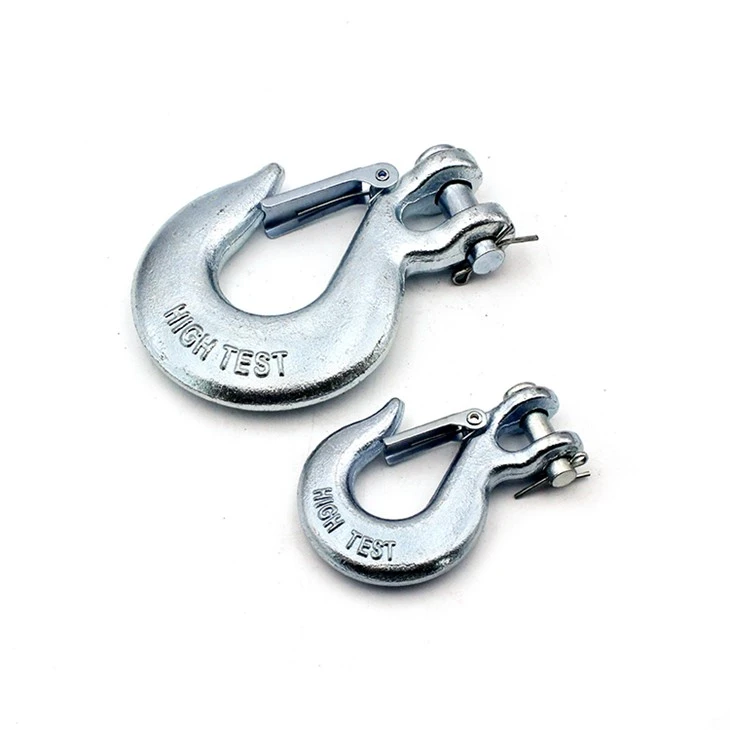
While G43 hooks are a popular choice for many applications, there are other types of hooks available in the market. For example, the H323 and A323 Forged Eye Grab Hook High Test Or Alloy and H324 and A324 Forged Eye Slip Hook High Test Or Alloy offer different features and performance characteristics.
The H323 and A323 hooks are forged eye grab hooks, which are designed to provide a secure grip on the load. They are often used in applications where a tight hold is required, such as in marine and construction industries. The H324 and A324 forged eye slip hooks, on the other hand, are designed for easy attachment and detachment of the load. They are commonly used in applications where quick changes are needed, such as in material handling.
Another option is the H331 and A331 Forged Clevis Slip Hook High Test Or Alloy. These hooks are equipped with a clevis, which allows for easy connection to other rigging components. They are suitable for a wide range of applications, including lifting and towing.
When choosing between G43 hooks and these similar products, it's important to consider the specific requirements of your application. Factors such as load capacity, working environment, and frequency of use should all be taken into account.
Training and Education
Proper training and education are essential for anyone who uses G43 hooks. Operators should be trained on how to inspect, install, and use the hooks safely. They should also be aware of the potential hazards associated with hook failure and how to prevent them.
We, as a supplier, offer training resources and support to our customers. We believe that by providing comprehensive training, we can help our customers improve the performance of the G43 hooks they use and ensure the safety of their operations.
Conclusion
Improving the performance of G43 hooks requires a combination of proper material selection, regular inspection and maintenance, correct installation, load capacity management, and compatibility with other components. By following these strategies, you can ensure that your G43 hooks perform at their best and provide reliable service for your applications.
If you're interested in purchasing high - quality G43 hooks or need more information about our products and services, please feel free to contact us. We're committed to providing our customers with the best solutions for their rigging needs.
References
- American Society of Mechanical Engineers (ASME). "B30.10 - Hooks."
- Occupational Safety and Health Administration (OSHA). "Rigging Equipment Safety."
- Various industry whitepapers on rigging and lifting equipment performance.