


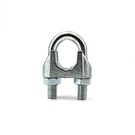


As a trusted G80 HOOK supplier, I'm excited to share a comprehensive guide on how to install the G80 HOOK on a pulley. This process is crucial for ensuring the safe and efficient operation of your lifting and rigging equipment. Whether you're a professional in the construction industry or a DIY enthusiast, following these steps will help you get the job done right.
Understanding the G80 HOOK
Before we dive into the installation process, let's take a moment to understand what makes the G80 HOOK special. G80 hooks are made from high-strength alloy steel, which provides excellent durability and load-bearing capacity. They are commonly used in a variety of applications, including construction, mining, and transportation.
There are several types of G80 hooks available, each designed for specific purposes. Some of the most popular types include the G80 Clevis Grab Hook, G80 Enlarged Oblong Master Link Assemblies, and G80 Eye Sling Hook with Latch. Make sure you choose the right type of hook for your application to ensure maximum safety and performance.
Tools and Materials You'll Need
To install the G80 HOOK on a pulley, you'll need the following tools and materials:
- G80 HOOK: Make sure you have the correct size and type of hook for your application.
- Pulley: Ensure the pulley is compatible with the G80 HOOK and has a sufficient load capacity.
- Wrenches: You'll need a set of wrenches to tighten the bolts and nuts.
- Safety glasses: Protect your eyes from any debris or particles during the installation process.
- Gloves: Wear gloves to protect your hands from sharp edges and hot surfaces.
Step-by-Step Installation Guide
Now that you have all the necessary tools and materials, let's get started with the installation process. Follow these steps carefully to ensure a proper and secure installation:
Step 1: Inspect the Hook and Pulley
Before installing the G80 HOOK, it's important to inspect both the hook and the pulley for any signs of damage or wear. Check for cracks, bends, or other defects that could affect the performance or safety of the equipment. If you notice any issues, do not use the hook or pulley and replace them immediately.
Step 2: Clean the Hook and Pulley
Use a clean cloth or brush to remove any dirt, grease, or debris from the hook and pulley. This will help ensure a good fit and prevent any contaminants from interfering with the installation process.
Step 3: Position the Hook on the Pulley
Carefully position the G80 HOOK on the pulley so that the hook's eye is aligned with the pulley's shaft. Make sure the hook is centered and level on the pulley to ensure even distribution of the load.
Step 4: Insert the Bolts and Nuts
Insert the bolts through the holes in the hook's eye and the pulley's shaft. Make sure the bolts are the correct size and length for the application. Then, thread the nuts onto the bolts and tighten them using a wrench. Do not over-tighten the nuts, as this could damage the hook or the pulley.
Step 5: Check the Tightness
Once the nuts are tightened, use a torque wrench to check the tightness of the bolts. Refer to the manufacturer's specifications for the recommended torque values. If the bolts are not tightened to the correct torque, they could loosen over time and cause the hook to become unstable.
Step 6: Inspect the Installation
After the hook is installed, inspect the installation again to make sure everything is secure and in place. Check the tightness of the bolts and nuts, and make sure the hook is properly aligned with the pulley. If you notice any issues, make the necessary adjustments before using the equipment.
Safety Precautions
Installing a G80 HOOK on a pulley can be a dangerous task if not done properly. To ensure your safety and the safety of others, follow these safety precautions:
- Read and follow the manufacturer's instructions and warnings carefully.
- Wear appropriate safety gear, such as safety glasses and gloves.
- Do not exceed the load capacity of the hook or the pulley.
- Inspect the hook and pulley regularly for any signs of damage or wear.
- Do not use the equipment if it is damaged or malfunctioning.
Maintenance and Care
To ensure the longevity and performance of your G80 HOOK and pulley, it's important to perform regular maintenance and care. Here are some tips to help you keep your equipment in good condition:


- Clean the hook and pulley regularly to remove any dirt, grease, or debris.
- Lubricate the moving parts of the hook and pulley to reduce friction and wear.
- Inspect the hook and pulley for any signs of damage or wear, and replace any worn or damaged parts immediately.
- Store the hook and pulley in a dry, clean place when not in use.
Conclusion
Installing a G80 HOOK on a pulley is a relatively simple process that can be done with the right tools and materials. By following the steps outlined in this guide and taking the necessary safety precautions, you can ensure a proper and secure installation. Remember to choose the right type of hook for your application, inspect the equipment regularly, and perform regular maintenance and care to keep your equipment in good condition.
If you have any questions or need further assistance with installing a G80 HOOK on a pulley, please don't hesitate to contact us. As a leading G80 HOOK supplier, we have the expertise and experience to help you find the right solution for your needs. We look forward to working with you and providing you with the highest quality products and services.
References
- Manufacturer's instructions and specifications for the G80 HOOK and pulley.
- Industry standards and guidelines for lifting and rigging equipment.