


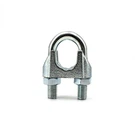


Hey there! As a turnbuckle supplier, I've seen firsthand how a well - painted turnbuckle not only looks great but also lasts longer. In this blog, I'm gonna walk you through the steps on how to paint a turnbuckle.
Why Paint a Turnbuckle?
First off, you might be wondering why you should even bother painting a turnbuckle. Well, there are a couple of good reasons. For starters, painting provides a layer of protection against corrosion. Turnbuckles are often used in outdoor or industrial settings where they're exposed to moisture, chemicals, and other elements that can cause rust and deterioration. A good paint job acts as a barrier, keeping these harmful substances away from the metal surface.
Secondly, painting can enhance the aesthetics of the turnbuckle. Whether you're using it in a construction project where appearance matters or you just want your equipment to look sharp, a fresh coat of paint can make a big difference.
Preparing the Turnbuckle
Before you start slapping on the paint, you need to prepare the turnbuckle properly. This step is crucial because if the surface isn't clean and smooth, the paint won't adhere well, and you'll end up with a shoddy finish.
- Cleaning: Use a wire brush or sandpaper to remove any rust, dirt, or old paint from the turnbuckle. You can also soak it in a degreaser solution to get rid of any grease or oil. Make sure to rinse it thoroughly and let it dry completely before moving on to the next step.
- Sandblasting (Optional): For a really smooth surface, you can consider sandblasting the turnbuckle. This method uses high - pressure air to shoot sand at the surface, removing any stubborn debris and creating a rough texture that the paint can grip onto. However, sandblasting requires special equipment, so if you don't have access to it, sandpaper will do the job just fine.
- Masking: If there are parts of the turnbuckle that you don't want to paint, like the threads or any moving parts, use masking tape to cover them up. This will ensure that you get a clean, professional - looking paint job.
Choosing the Right Paint
Not all paints are created equal, and choosing the right one for your turnbuckle is essential. Here are some factors to consider:
- Type of Paint: There are several types of paint available, such as enamel, epoxy, and acrylic. Enamel paint is durable and provides a hard, glossy finish. Epoxy paint is highly resistant to chemicals and corrosion, making it a great choice for industrial applications. Acrylic paint is easy to apply and dries quickly, but it may not be as durable as enamel or epoxy.
- Color: Choose a color that suits your needs and preferences. If the turnbuckle is going to be used in a visible area, you might want to pick a color that matches the surrounding environment or the overall design of the project.
- Compatibility: Make sure the paint you choose is compatible with the material of the turnbuckle. Most turnbuckles are made of steel or stainless steel, so look for paints that are specifically designed for metal surfaces.
Applying the Paint
Now that you've prepared the turnbuckle and chosen the right paint, it's time to start painting. Here's how to do it:
- Priming: Apply a coat of primer to the turnbuckle. Primer helps the paint adhere better to the surface and provides an extra layer of protection against corrosion. Use a brush or a spray gun to apply the primer evenly, and let it dry according to the manufacturer's instructions.
- Painting: Once the primer is dry, it's time to apply the paint. If you're using a brush, make sure to use long, smooth strokes in the direction of the grain of the turnbuckle. If you're using a spray gun, hold it about 8 - 10 inches away from the surface and move it back and forth in a steady motion. Apply multiple thin coats of paint rather than one thick coat. This will help prevent drips and ensure a smooth finish. Let each coat dry completely before applying the next one.
- Drying and Curing: After you've applied the final coat of paint, let the turnbuckle dry for at least 24 hours. Some paints may require a longer curing time, so make sure to check the manufacturer's instructions. During the drying and curing process, keep the turnbuckle in a well - ventilated area away from dust and moisture.
Finishing Touches
Once the paint is dry and cured, you can remove the masking tape. Inspect the turnbuckle for any drips, runs, or uneven areas. If you find any, you can sand them down gently and apply another thin coat of paint.


Different Types of Turnbuckles for Painting
As a turnbuckle supplier, I offer a variety of turnbuckles, each with its own unique characteristics. For example, the Dd Turnbuckle is a popular choice for many applications. Its design allows for easy adjustment and it can be painted to match your project's requirements.
The Jis Standard Frame Double Turnbuckle with Hook and Hook is another great option. It's built to high standards and can withstand heavy loads. Painting this turnbuckle can not only protect it but also make it stand out in your setup.
And then there's the Commercial Malleable Turnbuckle. This type of turnbuckle is known for its flexibility and durability. A fresh coat of paint can extend its lifespan and give it a more professional look.
Conclusion
Painting a turnbuckle is a relatively simple process that can have a big impact on its appearance and longevity. By following the steps outlined in this blog, you can ensure that your turnbuckle looks great and performs well for years to come.
If you're in the market for high - quality turnbuckles, I'm here to help. Whether you need a specific type like the ones I mentioned above or have other requirements, I can provide you with the right products. Reach out to me to discuss your needs and start a procurement negotiation. I'm looking forward to working with you!
References
- "Painting Metal Surfaces: A Comprehensive Guide", DIY Home Improvement Magazine
- "Corrosion Protection for Industrial Equipment", Industrial Maintenance Journal