




Hey there! As a shackle supplier, I've seen my fair share of issues when it comes to shackles loosening during use. It's a problem that can lead to all sorts of headaches, from equipment damage to safety hazards. So, I thought I'd share some tips on how to prevent a shackle from loosening during use.
First off, let's talk about what causes a shackle to loosen in the first place. There are a few common culprits. Vibration is a big one. If the shackle is being used in an environment where there's a lot of shaking or jostling, it can gradually cause the fasteners to come loose. Another factor is improper installation. If the shackle isn't tightened correctly or if the wrong size or type of fastener is used, it's more likely to loosen over time. And then there's wear and tear. With regular use, the components of the shackle can start to degrade, which can also lead to loosening.
So, how can we prevent these issues? Well, here are some practical steps you can take.
1. Choose the Right Shackle
The first step is to make sure you're using the right shackle for the job. Different applications require different types of shackles. For example, if you're working in a marine environment, you'll want a shackle that's made of corrosion-resistant material. If you're dealing with heavy loads, you'll need a shackle with a high working load limit. At our company, we offer a wide range of shackles to suit various needs. For instance, our G275 Galvanized Screw Eye Bolt Screw is a great option for many general-purpose applications. It's galvanized, which means it's protected against rust and corrosion, and it has a strong and reliable design.
2. Proper Installation
Proper installation is crucial. Make sure you follow the manufacturer's instructions carefully. This includes using the correct tools and tightening the fasteners to the recommended torque. Using a torque wrench is a great way to ensure that you're applying the right amount of force. If you're not sure how to use a torque wrench, don't worry. There are plenty of online tutorials that can show you the ropes. Also, double-check that all the parts are correctly aligned before you start tightening. A misaligned shackle can put uneven stress on the fasteners, which can lead to loosening.
3. Use Locking Mechanisms
Locking mechanisms can be a great way to prevent a shackle from loosening. There are several types available. One common option is a lock nut. A lock nut has a special design that helps it stay in place even under vibration. Another option is a cotter pin. A cotter pin is a small pin that's inserted through a hole in the bolt or nut to prevent it from turning. We also offer products that can help with this. Our Din741 Stainless Steel Wire Cable Clamp Clips can be used to secure cables and prevent them from coming loose, which can indirectly help keep the shackle in place.
4. Regular Inspections
Regular inspections are a must. Check the shackle for any signs of wear, damage, or loosening on a regular basis. Look for things like cracks, deformation, or corrosion. If you notice any issues, replace the shackle immediately. It's better to be safe than sorry. You can also use a thread locker during inspections. A thread locker is a chemical compound that's applied to the threads of the fasteners to prevent them from loosening. It works by filling the gaps between the threads and creating a strong bond.
5. Consider Environmental Factors
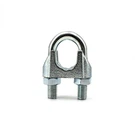
The environment in which the shackle is used can have a big impact on its performance. If the shackle is exposed to extreme temperatures, moisture, or chemicals, it can cause the materials to degrade more quickly. For example, in a humid environment, the shackle may be more prone to rusting. In this case, you may need to take extra precautions, such as applying a protective coating or using a corrosion-resistant shackle. Our A Type Galvanized Malleable Wire Rope Clips are a good choice for environments where corrosion is a concern. They're galvanized, which provides an extra layer of protection against rust and corrosion.
6. Training and Education
Make sure that anyone who is using or working around the shackles is properly trained. They should know how to install, inspect, and maintain the shackles correctly. This can help prevent many of the common mistakes that can lead to loosening. You can also provide them with some basic guidelines and tips on how to spot potential issues early on.
7. Keep Records
Keeping records of the shackles' usage, inspections, and maintenance can be very helpful. This can help you track the performance of the shackles over time and identify any patterns or trends. For example, if you notice that a particular type of shackle keeps loosening after a certain amount of use, you may need to reevaluate its suitability for the application.
In conclusion, preventing a shackle from loosening during use requires a combination of choosing the right shackle, proper installation, regular inspections, and taking into account environmental factors. By following these tips, you can help ensure the safety and reliability of your equipment.
If you're in the market for high-quality shackles or need more information on how to prevent them from loosening, feel free to reach out to us. We're here to help you find the right solutions for your needs. Whether you're a small business or a large industrial operation, we have the products and expertise to support you. So, don't hesitate to contact us for more details and to start a procurement discussion.


References
- "Shackle Installation and Maintenance Guide," Industry Standards Publication
- "Preventing Fastener Loosening in Industrial Applications," Engineering Journal