


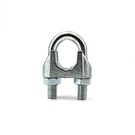


Hey there! As a supplier of G80 HOOKs, I get a bunch of questions about how to repair these things when they're damaged. So, I thought I'd put together this blog to share some tips and tricks on fixing a damaged G80 HOOK.
First off, let's talk about what a G80 HOOK is. G80 HOOKs are high - strength lifting hooks that are commonly used in heavy - duty applications like construction, mining, and transportation. They're known for their durability and reliability, but like any piece of equipment, they can get damaged over time.
Identifying the Damage
The first step in repairing a damaged G80 HOOK is to figure out what's wrong with it. There are a few common types of damage you might encounter:
- Cracks: Cracks are a serious issue. They can weaken the hook and make it unsafe to use. You can usually spot cracks by visually inspecting the hook. Look for any visible lines or breaks in the metal. Sometimes, small cracks might be hard to see, so you might need to use a magnifying glass or a dye - penetrant test.
- Wear and Tear: Over time, the hook can experience wear, especially at the point where it comes into contact with other objects. Check the tip of the hook, the throat area, and the latch mechanism for signs of excessive wear. If the metal is significantly thinner in these areas, it could be a problem.
- Deformation: The hook might get bent or misshapen due to overloading or improper use. Check if the hook has deviated from its original shape. A bent hook might not function properly and could pose a safety risk.
Tools You'll Need
Once you've identified the damage, it's time to gather the tools you'll need for the repair. Here's a basic list:
- Welding Equipment: If you're dealing with cracks, you'll likely need to weld them. Make sure you have a suitable welding machine, welding rods, and safety equipment like welding gloves and a mask.
- Grinding Wheel: To smooth out the welded areas and remove any rough edges, a grinding wheel is essential.
- Measuring Tools: A caliper or a micrometer can be used to measure the thickness of the metal and ensure that the hook meets the required specifications after repair.
- Pliers and Screwdrivers: These are useful for disassembling and reassembling the hook, especially if you need to work on the latch mechanism.
Repairing Cracks
If you've found a crack in the G80 HOOK, here's how you can fix it:
- Clean the Area: Before you start welding, clean the cracked area thoroughly. Use a wire brush to remove any rust, dirt, or debris. This will ensure a good weld.
- Prepare the Weld: Use a grinder to bevel the edges of the crack. This will create a V - shaped groove that allows the welding rod to penetrate deeper and create a stronger bond.
- Weld the Crack: Set your welding machine to the appropriate settings for the type of metal the hook is made of. Start welding the crack, making sure to fill the groove completely. Take your time and make sure the weld is smooth and consistent.
- Grind the Weld: After the weld has cooled, use a grinding wheel to smooth out the welded area. Make sure it matches the contour of the hook and there are no sharp edges.
Addressing Wear and Tear
For wear and tear, the solution might be a bit different:
- Throat Wear: If the throat of the hook is worn, you might need to build up the metal using a welding process called hardfacing. This involves depositing a layer of hard - wearing material on the worn surface. After hardfacing, grind the area to the correct dimensions.
- Latch Mechanism: If the latch is worn or not working properly, you might need to replace the latch components. You can usually find replacement parts from G80 Clevis Grab Hook suppliers. Disassemble the latch using pliers and screwdrivers, remove the worn parts, and install the new ones.
Fixing Deformation
When the hook is deformed, it's a bit more challenging to repair:
- Cold Bending: For minor bends, you might be able to use a press or a vice to bend the hook back into shape. However, this should be done carefully to avoid creating new cracks or weakening the metal.
- Heat Treatment: In some cases, you might need to heat the hook to a specific temperature and then bend it back into shape. This process requires a lot of expertise and knowledge of the metal's properties. After bending, the hook might need to be heat - treated again to restore its strength.
Post - Repair Inspection
After you've completed the repair, it's crucial to inspect the hook thoroughly:
- Visual Inspection: Look for any signs of incomplete repairs, such as gaps in the weld or rough edges. Make sure the hook looks like it's in good condition.
- Dimensional Inspection: Use your measuring tools to check that the hook meets the original specifications. Measure the thickness of the metal, the length of the hook, and the size of the throat.
- Function Test: Test the hook's functionality. Check if the latch works smoothly and if the hook can hold the load properly.
Safety First
Throughout the repair process, safety should be your top priority. Wear appropriate safety gear, follow all safety procedures when using welding equipment and other tools, and make sure the hook is in a stable position.
If you're not confident in your ability to repair the G80 HOOK, it's always a good idea to consult a professional. Remember, a poorly repaired hook can be extremely dangerous and could lead to accidents.
At our company, we're not just suppliers. We're also here to support you with any questions you might have about G80 HOOKs. Whether you need advice on repair, replacement parts, or you're looking to purchase new hooks, we've got you covered. We offer a wide range of products, including G80 U.s.type Conneting Link and G80 Enlarged Oblong Master Link Assemblies.
If you're interested in learning more about our products or have any repair - related questions, don't hesitate to reach out. We're always happy to have a chat and help you find the best solutions for your needs. Whether you're a small business or a large corporation, we can work with you to ensure you get the right G80 HOOK products at the best prices.


References
- American Society of Mechanical Engineers (ASME) standards for lifting equipment.
- Welding Handbook by the American Welding Society.