


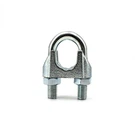


As a shackle supplier, I understand the critical role that proper maintenance plays in ensuring the safety and longevity of these essential lifting and rigging components. Shackles are used in a wide range of industries, from construction and manufacturing to maritime and transportation, and they are often subjected to heavy loads, harsh environments, and frequent use. Therefore, establishing appropriate maintenance intervals is crucial to prevent failures, reduce downtime, and protect workers and equipment.


Factors Affecting Maintenance Intervals
The maintenance intervals for a shackle can vary depending on several factors, including the type of shackle, the application, the operating conditions, and the manufacturer's recommendations. Here are some key considerations that can help determine how often a shackle should be inspected and maintained:
Type of Shackle
There are different types of shackles available, each designed for specific applications and load capacities. For example, US Type Forged Round Pin Chain Dee Shackle G215 is commonly used in chain slings and general rigging applications, while US Type Forged Screw Pin Chain or Dee Shackle G210 is suitable for a variety of lifting and securing tasks. Jis Type Screw Pin Chain Dee Shackle is often used in the Japanese market and is designed to meet specific industry standards. The design and construction of the shackle can affect its durability and maintenance requirements.
Application
The application in which the shackle is used can also impact its maintenance intervals. Shackles used in high-stress applications, such as heavy lifting or continuous operation, may require more frequent inspections and maintenance than those used in lighter-duty applications. For example, a shackle used in a construction site to lift large steel beams will likely experience more wear and tear than a shackle used in a warehouse to secure a small pallet.
Operating Conditions
The operating conditions, including the environment, temperature, and exposure to chemicals or corrosive substances, can significantly affect the lifespan of a shackle. Shackles used in harsh environments, such as offshore oil rigs or chemical plants, are more likely to corrode and deteriorate over time. In such cases, more frequent inspections and maintenance may be necessary to prevent rust, pitting, and other forms of damage.
Manufacturer's Recommendations
It is essential to follow the manufacturer's recommendations regarding maintenance intervals and procedures. Manufacturers typically provide guidelines based on extensive testing and research to ensure the safe and reliable operation of their products. These recommendations may include specific inspection criteria, lubrication requirements, and replacement schedules.
General Maintenance Intervals
While the specific maintenance intervals for a shackle will depend on the factors mentioned above, here are some general guidelines that can be used as a starting point:
Visual Inspections
Visual inspections should be conducted before each use to check for any obvious signs of damage, such as cracks, deformation, or corrosion. If any defects are found, the shackle should be immediately removed from service and replaced. In addition to pre-use inspections, regular visual inspections should be performed at least once a month for shackles used in normal operating conditions. For shackles used in more demanding applications or harsh environments, visual inspections may need to be conducted more frequently, such as weekly or bi-weekly.
Detailed Inspections
Detailed inspections, which may include non-destructive testing methods such as magnetic particle inspection or ultrasonic testing, should be performed at least once a year for shackles used in normal operating conditions. These inspections can detect internal defects that may not be visible during a visual inspection. For shackles used in high-stress applications or harsh environments, detailed inspections may need to be performed more frequently, such as every six months or even quarterly.
Lubrication
Proper lubrication is essential to prevent corrosion and ensure smooth operation of the shackle. Lubrication should be applied according to the manufacturer's recommendations, which may vary depending on the type of shackle and the operating conditions. In general, shackles should be lubricated at least once every three months for normal operating conditions. For shackles used in harsh environments or high-stress applications, lubrication may need to be applied more frequently, such as monthly or bi-monthly.
Replacement
Shackles should be replaced if they show signs of excessive wear, damage, or corrosion that cannot be repaired. The manufacturer's recommendations should be followed regarding the maximum allowable wear and the replacement schedule. In general, shackles should be replaced after a certain number of cycles or years of service, depending on the application and the operating conditions.
Importance of Regular Maintenance
Regular maintenance of shackles is not only important for safety but also for cost savings. By detecting and addressing potential problems early, maintenance can prevent costly breakdowns, downtime, and accidents. In addition, proper maintenance can extend the lifespan of the shackles, reducing the need for frequent replacements and saving money in the long run.
Conclusion
Determining the appropriate maintenance intervals for a shackle requires careful consideration of several factors, including the type of shackle, the application, the operating conditions, and the manufacturer's recommendations. By following these guidelines and conducting regular inspections and maintenance, you can ensure the safe and reliable operation of your shackles and protect your workers and equipment.
If you are in the market for high-quality shackles or have any questions about maintenance intervals or procedures, please feel free to contact us. We are a leading shackle supplier with a wide range of products to meet your specific needs. Our team of experts is available to provide you with professional advice and support.
References
- American Society of Mechanical Engineers (ASME). B30.26 - Slings.
- Occupational Safety and Health Administration (OSHA). 29 CFR 1910.184 - Slings.
- International Organization for Standardization (ISO). ISO 2415 - Lifting shackles - Weldless forged shackles for general lifting purposes.