


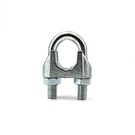


In the industrial and marine sectors, shackles are indispensable tools for lifting, securing, and connecting various equipment and loads. As a shackle supplier, I often encounter customers considering the purchase of used shackles due to cost - saving motives. However, it's crucial to understand that buying used shackles comes with a multitude of risks that could potentially lead to serious consequences.
1. Wear and Tear
One of the most obvious risks associated with used shackles is wear and tear. Over time, shackles are subjected to repeated stress, friction, and environmental factors. The pin and the body of the shackle can experience significant wear, which can compromise their structural integrity. For example, the threads on the screw - pin of a shackle like the US Type Forged Screw Pin Chain or Dee Shackle G210 may become worn. This can lead to the pin not being able to be tightened properly, increasing the risk of it coming loose during use.
Similarly, the bow or body of the shackle can show signs of abrasion, especially in areas where it makes contact with other equipment or loads. This abrasion can reduce the cross - sectional area of the shackle, which in turn weakens its strength. A weakened shackle may not be able to withstand the rated load, leading to failure under normal working conditions.
2. Fatigue Cracking
Fatigue cracking is another major concern when dealing with used shackles. Every time a shackle is loaded and unloaded, it experiences stress cycles. Over a large number of these cycles, microscopic cracks can start to form in the material of the shackle. These cracks can grow over time, eventually leading to catastrophic failure.
Detecting fatigue cracks can be extremely difficult, especially for non - experts. Visual inspections may not always reveal these cracks, as they can be very small and located in hard - to - reach areas. Even if a used shackle appears to be in good condition on the surface, it could have hidden fatigue cracks that pose a significant risk. For instance, in high - stress applications where the US Standard Bolt Type Anchor Bow Shackle G2130 is used, the presence of fatigue cracks can lead to sudden and unexpected breakage.
3. Corrosion
Corrosion is a common problem, especially for shackles used in marine or outdoor environments. When a shackle is exposed to moisture, saltwater, or other corrosive substances, the metal can start to rust and corrode. Corrosion not only weakens the material of the shackle but can also cause pitting and crevice corrosion, which further compromise its integrity.
The Jis Type Screw Pin Anchor Shackle used in marine applications is particularly vulnerable to corrosion. Even if the surface rust is removed, the underlying metal may have already been weakened by the corrosion process. Corroded shackles may have reduced strength and ductility, making them more likely to fail under load.
4. Unknown Usage History
When buying used shackles, it's often difficult to obtain a complete and accurate usage history. You may not know how the shackle was used, what kind of loads it was subjected to, or whether it was ever overloaded. An overloaded shackle can experience permanent deformation and damage that may not be immediately visible.
For example, if a shackle was used to lift a load that exceeded its rated capacity, it could have suffered internal damage that weakens its structure. Without knowing the usage history, it's impossible to accurately assess the remaining strength and safety of the used shackle.
5. Lack of Certification
New shackles typically come with certification that verifies their quality, strength, and compliance with relevant standards. This certification provides assurance that the shackle has been tested and meets the required specifications. However, used shackles may not have this certification.
Without proper certification, it's difficult to determine if the shackle is suitable for your specific application. You may not know if it has been manufactured to the correct standards, which can lead to safety issues. For industries where safety regulations are strict, using uncertified shackles can result in legal and regulatory problems.
6. Incompatibility
Used shackles may not be compatible with your existing equipment or the specific requirements of your application. The size, shape, and type of shackle need to be carefully matched to the equipment and load. For example, if you purchase a used shackle that has a different pin diameter or bow shape than what your equipment requires, it may not fit properly or may not provide a secure connection.
Incompatible shackles can lead to increased stress on the equipment and the shackle itself, increasing the risk of failure. This can also result in inefficiencies in your operations, as you may need to make additional modifications or replacements to ensure proper functionality.
7. Limited Lifespan
Even if a used shackle appears to be in good condition, it has already been in use for some time. This means that it has a limited remaining lifespan compared to a new shackle. The cumulative effects of wear, fatigue, and corrosion mean that the used shackle is more likely to fail earlier than a new one.
This can lead to unexpected downtime and additional costs for replacement. In industries where continuous operation is crucial, the failure of a shackle can disrupt production and cause significant financial losses.
The Benefits of Buying New Shackles
As a shackle supplier, I strongly recommend buying new shackles over used ones. New shackles offer several advantages. Firstly, they come with a warranty and certification, which provides peace of mind and assurance of quality. You can be confident that the shackle has been manufactured to the highest standards and has undergone rigorous testing.
Secondly, new shackles have a longer lifespan and are less likely to experience the problems associated with wear, fatigue, and corrosion. They are designed to withstand the rated loads and provide a reliable and safe connection for your equipment.
Finally, when you buy new shackles from a reputable supplier, you can get expert advice on the right type of shackle for your specific application. This ensures that you select the most suitable shackle, which can improve the efficiency and safety of your operations.


Contact for Procurement
If you are in need of high - quality shackles, I invite you to contact me for procurement. I have a wide range of shackles, including the US Standard Bolt Type Anchor Bow Shackle G2130, US Type Forged Screw Pin Chain or Dee Shackle G210, and Jis Type Screw Pin Anchor Shackle. I can provide you with detailed information about the products, assist you in selecting the right shackles for your needs, and offer competitive pricing.
Don't take the risk of using used shackles. Invest in new, reliable shackles to ensure the safety and efficiency of your operations. Reach out to me to start the procurement process and discuss your requirements.
References
- ASME B30.26 - Safety Standard for Slings
- ISO 7599 - Lifting appliances -- Shackles
- NACE International - Corrosion Standards for Metals in Harsh Environments