


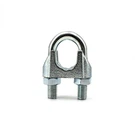


Using turnbuckles is common in various applications, from construction to marine settings and even in some DIY projects. As a turnbuckle supplier, I've seen firsthand how important it is to use these tools safely. In this blog, I'll share some key safety precautions you should take when using turnbuckles.
1. Inspection Before Use
Before you even think about installing a turnbuckle, you gotta give it a thorough once - over. Check for any visible signs of damage like cracks, dents, or corrosion. A damaged turnbuckle can fail under load, which is super dangerous. For example, if there's a crack in the body of a US Type Forged Steel Wire Rope Turnbuckle Body, it might snap when you're tightening the rope or cable, causing whatever it's holding to come crashing down.
Look at the end fittings too. Make sure they're in good shape and that the pins and bolts are present, tight, and not damaged. If you're using a US Type Galvanized Forged Turnbuckle Jaw and Eye, check that the jaw can open and close smoothly and that the eye isn't bent out of shape.
2. Proper Selection
Picking the right turnbuckle for the job is crucial. You need to consider the load capacity. Different turnbuckles are rated for different weights. If you try to use a turnbuckle with a low load capacity for a heavy - duty job, it's going to fail. Check the specs of the turnbuckle and match it to the weight of the load it'll be承受 (translate to "supporting") in your application.
Think about the environment too. If you're using the turnbuckle outdoors where it'll be exposed to water and moisture, a galvanized or stainless - steel turnbuckle is a better choice than a plain steel one. Galvanized turnbuckles are coated to resist rust, while stainless - steel ones are more corrosion - resistant. For example, a Dd Turnbuckle made of stainless steel would be great for marine applications.
3. Correct Installation
Installing turnbuckles the right way is essential for safety. First, make sure the turnbuckle is properly aligned with the load. If it's not, it can cause uneven stress on the turnbuckle and the connected parts, leading to failure.
When attaching the turnbuckle to the ropes or cables, use the right hardware. For example, make sure the pins or bolts are tightened to the correct torque. If they're too loose, they can come out during use, and if they're too tight, they can damage the turnbuckle or the fittings.
It's also important to install the turnbuckle in a way that allows for easy adjustment. You don't want to be in a situation where you have to struggle to tighten or loosen the turnbuckle, as this can lead to mistakes or accidents.
4. Tightening and Adjustment
When tightening a turnbuckle, do it gradually and evenly. Don't try to tighten it all at once with a lot of force. This can cause the turnbuckle to twist or bend, and it can also over - stress the connected ropes or cables.


Use a proper tool to tighten the turnbuckle. A wrench is usually the best choice. Make sure you're using the correct size wrench for the turnbuckle. If the wrench is too small, it can slip and cause injury, and if it's too large, you might not be able to apply the right amount of force.
Keep an eye on the load while you're tightening the turnbuckle. If you notice any signs of movement or instability, stop immediately and re - evaluate the situation. You might need to make some adjustments to the alignment or the tension.
5. Regular Maintenance
Once the turnbuckle is installed and in use, you can't just forget about it. Regular maintenance is key. Check the turnbuckle periodically for any signs of wear and tear. Look for things like fraying of the ropes or cables, loosening of the pins or bolts, or any new signs of corrosion.
If you notice any issues, address them right away. For example, if a pin is loose, tighten it. If there's some corrosion, you might need to clean it and apply a protective coating.
Lubricate the moving parts of the turnbuckle if necessary. This can help keep everything working smoothly and prevent excessive wear.
6. Load Monitoring
It's a good idea to monitor the load on the turnbuckle during use. If you're in a situation where the load might change over time, keep an eye on the turnbuckle and make adjustments as needed. For example, if you're using a turnbuckle to support a structure and the wind or other external forces change, the load on the turnbuckle can change too.
If you notice any unusual signs, like excessive vibration or a change in the tension of the turnbuckle, it could indicate a problem. Stop the operation and inspect the turnbuckle and the connected parts.
7. Safety Equipment
When working with turnbuckles, don't forget about personal safety equipment. Wear safety glasses to protect your eyes from any flying debris in case the turnbuckle fails. Gloves can also be helpful to protect your hands when handling the turnbuckle and the connected ropes or cables.
If you're working at a height, make sure you're using proper fall - protection equipment. And if you're in an area with a lot of noise, wear ear protection.
As a turnbuckle supplier, I'm here to offer you high - quality turnbuckles that meet all the necessary safety standards. If you're in the market for turnbuckles, whether it's the US Type Forged Steel Wire Rope Turnbuckle Body, US Type Galvanized Forged Turnbuckle Jaw and Eye, or Dd Turnbuckle, we've got you covered. If you have any questions about product selection, safety, or installation, feel free to reach out and we can discuss your needs and help you make the right choice for your project.
References
- General safety guidelines for rigging equipment from industry standards.
- Manufacturer's instructions for turnbuckle use and maintenance.