


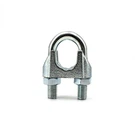


As a seasoned shackle supplier, I've witnessed firsthand the critical role these small yet mighty components play in various industries. Shackles are essential for connecting different parts in lifting, towing, and securing operations. However, like all mechanical parts, they are subject to wear and tear over time. Recognizing the signs of a worn-out shackle is crucial for ensuring safety and preventing costly accidents. In this blog, I'll share some key indicators that your shackles may need to be replaced.
Physical Damage
One of the most obvious signs of a worn-out shackle is physical damage. This can include cracks, dents, or deformation. Cracks are particularly concerning as they can significantly weaken the shackle and lead to failure under load. Even small cracks can propagate over time, especially when the shackle is subjected to repeated stress. Dents and deformation can also affect the shackle's integrity by altering its shape and reducing its load-bearing capacity.
When inspecting a shackle, look for any visible cracks on the body, pin, or bow. Cracks may appear as fine lines or more pronounced fractures. Pay close attention to areas where the shackle is most likely to experience stress, such as the bends and the connection points. Dents can often be identified by irregularities in the surface of the shackle. If you notice any significant dents or deformation, it's a clear sign that the shackle should be replaced.
Wear and Corrosion
Wear and corrosion are common issues that can affect the performance of shackles. Over time, the constant friction and movement between the shackle and the connected components can cause the surface of the shackle to wear down. This can lead to a reduction in the shackle's diameter and thickness, which in turn can weaken its structure.
Corrosion is another major concern, especially in environments where the shackles are exposed to moisture, chemicals, or saltwater. Rust and other forms of corrosion can eat away at the metal, causing pitting and weakening the shackle. In severe cases, corrosion can even cause the shackle to break apart.
To check for wear, measure the diameter of the shackle at various points using a caliper. Compare the measurements to the original specifications to determine if there has been any significant reduction in size. Look for signs of corrosion, such as rust, discoloration, or flaking paint. If the shackle shows signs of extensive wear or corrosion, it should be replaced immediately.
Loose or Damaged Pins
The pin is a critical part of the shackle, as it holds the two halves of the shackle together and allows for easy connection and disconnection. A loose or damaged pin can compromise the integrity of the shackle and pose a serious safety risk.
Inspect the pin for any signs of wear, such as grooves or scoring. Check the threads on the pin to ensure they are in good condition and not stripped. A loose pin can often be identified by a rattling sound or excessive movement when the shackle is handled. If the pin is loose or damaged, it should be replaced with a new one that meets the manufacturer's specifications.
Reduced Load Capacity
As a shackle wears out, its load capacity can be significantly reduced. This means that it may not be able to safely support the weight or force it was originally designed for. Using a worn-out shackle with a reduced load capacity can lead to overloading and failure, which can result in serious accidents and injuries.
If you suspect that a shackle may have a reduced load capacity, it's important to have it tested by a qualified professional. They can use specialized equipment to determine the actual load capacity of the shackle and advise you on whether it should be replaced.
Fatigue
Fatigue is a common cause of shackle failure, especially in applications where the shackles are subjected to repeated loading and unloading. Over time, the constant stress can cause microscopic cracks to form in the metal, which can eventually grow and lead to failure.
Signs of fatigue can include visible cracks, deformation, or a change in the color of the metal. If you notice any of these signs, it's important to replace the shackle immediately to prevent further damage and ensure safety.
Compromised Finish
The finish of a shackle serves as a protective layer, preventing corrosion and wear. A compromised finish can expose the metal to the elements, increasing the risk of corrosion and reducing the lifespan of the shackle.
Look for signs of peeling, chipping, or flaking paint on the shackle. If the finish is damaged, it's a good idea to have the shackle refinished or replaced to maintain its protective properties.
Inconsistent or Excessive Movement
When a shackle is in good condition, it should move smoothly and consistently. Excessive or inconsistent movement can indicate a problem with the shackle, such as a loose pin, worn-out components, or damage to the body.
If you notice that the shackle is difficult to open or close, or if it moves in an erratic manner, it's important to inspect it carefully for signs of wear or damage. If necessary, replace the shackle to ensure safe and reliable operation.
Non-Compliance with Standards
Shackles are subject to strict industry standards and regulations to ensure their safety and performance. If a shackle does not comply with these standards, it may not be suitable for use in your application.
Check the markings on the shackle to ensure that it meets the appropriate standards. Look for information such as the manufacturer's name, the load capacity, and the material. If you have any doubts about the compliance of a shackle, contact the manufacturer or a qualified professional for further advice.
Conclusion
Recognizing the signs of a worn-out shackle is essential for ensuring safety and preventing costly accidents. By regularly inspecting your shackles for physical damage, wear, corrosion, loose or damaged pins, reduced load capacity, fatigue, compromised finish, inconsistent or excessive movement, and non-compliance with standards, you can identify potential problems early and take appropriate action.
At our company, we offer a wide range of high-quality shackles, including the US Type Round Pin Anchor Shackle G213, Trawling Chain Shackle with Square Head Pin, and US Type Forged Screw Pin Chain or Dee Shackle G210. Our shackles are manufactured to the highest standards and are designed to provide reliable performance in a variety of applications.


If you have any questions about shackles or need assistance in selecting the right product for your needs, please don't hesitate to contact us. We're here to help you make the best decision and ensure the safety and efficiency of your operations.
References
- American Society of Mechanical Engineers (ASME). (2018). B30.26 - Slings.
- Occupational Safety and Health Administration (OSHA). (2019). Cranes and Derricks in Construction.
- National Association of Chain Manufacturers (NACM). (2017). Chain and Shackle Standards.