




A chain pump is a mechanical device with a long - standing history and a wide range of applications. As a chain supplier, I am well - versed in the components that make up chain pumps and their significance in various industries. In this blog, I will delve into what a chain pump is, its working principle, historical context, modern - day applications, and the crucial role chains play in its operation.
What is a Chain Pump?
A chain pump is a type of pump that uses a chain to move water or other fluids. It consists of a continuous chain with a series of discs or buckets attached at regular intervals. The chain runs over two wheels, one at the top and one at the bottom. When the top wheel is turned, the chain moves, and the attached discs or buckets scoop up the fluid from the source at the bottom and carry it upwards to the discharge point at the top.
Working Principle
The basic working principle of a chain pump is relatively straightforward. The bottom wheel is submerged in the fluid source, such as a well, a river, or a reservoir. As the top wheel is rotated, either manually or by a mechanical power source like an engine or a windmill, the chain begins to move in a loop. The discs or buckets on the chain dip into the fluid, fill up, and then travel up the chain to the top of the pump. At the top, the fluid is emptied into a discharge channel or container, and the now - empty discs or buckets continue their journey back down the chain to repeat the process.
Historical Context
Chain pumps have a long and rich history. They were first invented in ancient Greece around the 3rd century BC. Philo of Byzantium is often credited with the early development of the chain pump. In ancient times, chain pumps were used mainly for irrigation purposes. They were a revolutionary technology at the time, allowing farmers to move water from lower - lying sources to higher - elevation fields.
During the Roman era, chain pumps were further refined and used in large - scale engineering projects, such as supplying water to cities and aqueduct systems. The Romans recognized the efficiency of chain pumps in moving large volumes of water over relatively short vertical distances.
In medieval Europe, chain pumps continued to be used for water management in mines and for agricultural irrigation. They were an important part of the technological infrastructure that supported the growth of settlements and the expansion of agriculture.
Modern - Day Applications
Although modern pumps like centrifugal pumps and submersible pumps have become more common in many applications, chain pumps still have their niche uses.
In some agricultural settings, especially in areas with limited access to electricity or where a simple and reliable water - lifting solution is required, chain pumps are still used for irrigation. They can be powered by human or animal labor, making them a cost - effective option for small - scale farmers.
In certain industrial applications, chain pumps are used for handling viscous fluids. The design of the chain pump allows it to move thick liquids more effectively than some other types of pumps. For example, in the food processing industry, chain pumps can be used to transfer syrups, honey, and other viscous substances.
In water treatment plants, chain pumps can be used for moving sludge and other semi - solid materials. The continuous motion of the chain and the attached buckets or discs can handle the abrasive and thick nature of these materials without getting clogged easily.
The Role of Chains in Chain Pumps
As a chain supplier, I understand the critical role that chains play in the operation of chain pumps. The chain is the heart of the chain pump, and its quality and design directly affect the pump's performance.
The chains used in chain pumps need to be strong and durable. They are constantly exposed to the fluid being pumped, which may contain abrasive particles or corrosive substances. Therefore, the chains are often made from materials that can withstand these harsh conditions. Stainless steel chains are a popular choice because of their corrosion resistance. They can be used in applications where the pumped fluid is water or other non - aggressive liquids.
For more demanding applications, such as pumping abrasive sludge or corrosive chemicals, chains made from high - alloy steels or coated with special protective layers are used. These chains can resist wear and tear, ensuring a longer service life for the chain pump.
The design of the chain also matters. The spacing between the attached discs or buckets on the chain needs to be precise to ensure efficient fluid - scooping and transportation. The chain links need to be properly connected to ensure smooth movement over the wheels.
In addition to the standard chain designs, there are also specialized chain components that can enhance the performance of chain pumps. For example, G80 Enlarged Oblong Master Link Assemblies can be used to connect different sections of the chain. These master link assemblies provide a strong and reliable connection, allowing for easy installation and maintenance of the chain.
Web Sling Connector can be used in some chain pump designs to attach the discs or buckets to the chain. They offer a flexible and secure connection, ensuring that the discs or buckets stay in place during the pump's operation.
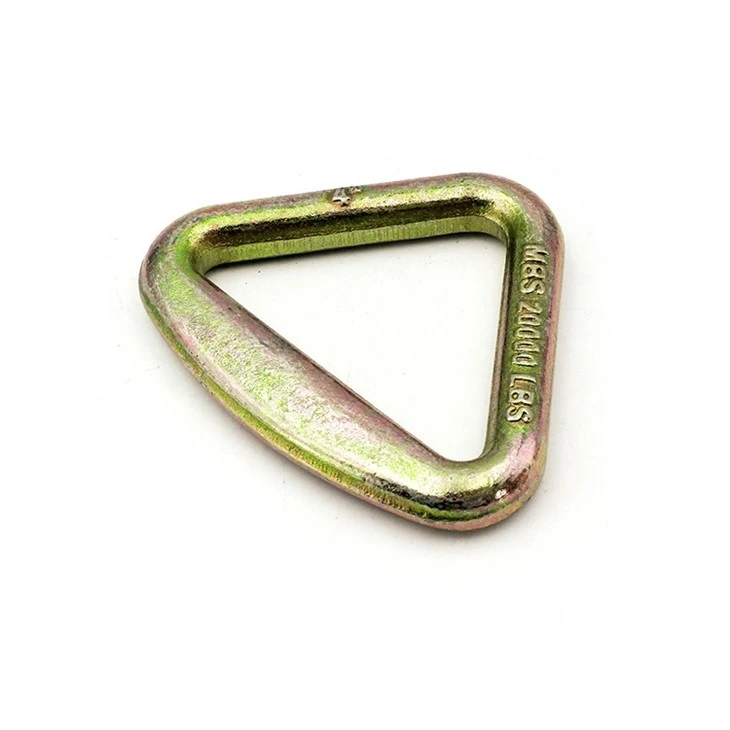

Triangle Ring is another component that can be used in chain pumps. It can be used for guiding the chain and ensuring its proper alignment as it moves over the wheels. This helps to reduce friction and wear on the chain, improving the overall efficiency of the pump.
Contact for Procurement
If you are in the market for high - quality chains and related components for your chain pump needs, I invite you to reach out. Whether you are an agricultural business looking for an irrigation solution or an industrial company in need of a reliable pump for handling viscous fluids, I can provide you with the right chains and components. We have a wide range of products to meet different requirements, and our team of experts can offer professional advice on the best chain and component selection for your specific application. Contact us today to start the procurement process and discuss how we can help you optimize your chain pump's performance.
References
- Cardwell, D. S. L. (1994). Wheels, Clocks, and Rockets: A History of Technology. W. W. Norton & Company.
- Forbes, R. J. (1964). A Short History of the Art of Mining. E. J. Brill.
- Oleson, J. P. (Ed.). (2008). The Oxford Handbook of Engineering and Technology in the Classical World. Oxford University Press.