


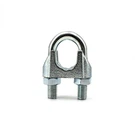


Shackles are fundamental components in a wide array of industries, serving as reliable connectors that ensure the secure attachment of objects. As a shackle supplier, I've witnessed firsthand the diverse applications and the crucial role that different types and sizes of shackles play. In this article, we will explore the differences between small and large shackles in terms of their applications.
Understanding the Basics of Shackles
Before delving into the differences between small and large shackles, it's essential to understand what shackles are. A shackle is a U-shaped piece of metal with a pin or bolt across the opening, used to connect two objects. Shackles come in various shapes, such as D-shackles (also known as Dee shackles) and bow shackles, and are crafted from different materials, including steel, to provide the necessary strength and durability for their intended applications.
Applications of Small Shackles
Small shackles typically range from a fraction of an inch to a few inches in size. Their compact nature makes them suitable for applications where space is limited, and the loads are relatively light.
Light - Duty Lifting and Rigging
In light - duty lifting operations, such as in workshops or small - scale construction projects, small shackles are commonly used. They can be employed to connect slings, ropes, or cables to lifting equipment like hoists or cranes. For example, in a woodworking shop, a small shackle might be used to attach a pulley to a beam, allowing for the easy movement of heavy wooden pieces. Their relatively small size does not compromise their strength for these light - load applications.
Marine and Nautical Applications
In the marine industry, small shackles find numerous uses. Small D - shackles are often used to connect fishing lines, nets, and small buoys. They are ideal for attaching small accessories to the boat, such as fenders or flagpoles. Their corrosion - resistant properties, especially when made from stainless steel, make them suitable for the harsh marine environment. For instance, a small shackle can be used to secure a small fishing net to the side of a fishing vessel, ensuring it stays in place during rough waters.
Automotive and Recreational Applications
Small shackles are also used in the automotive and recreational fields. In the automotive industry, they can be used for attaching small components during vehicle assembly or for towing small trailers. In the recreational sector, small shackles are used in camping and hiking equipment. For example, they can be used to attach a small hammock to trees or to secure a tent to its stakes.
Applications of Large Shackles
Large shackles are significantly bigger in size and are designed to handle much heavier loads. They are typically several inches or even feet in diameter, depending on the specific application.
Heavy - Duty Lifting and Rigging
In heavy - duty lifting operations, such as in shipbuilding, large construction projects, or the mining industry, large shackles are indispensable. They are used to connect heavy machinery, large steel structures, and massive loads to cranes and other lifting equipment. For example, when assembling large oil rigs, large bow shackles are used to connect the various sections of the rig, ensuring the stability and safety of the entire structure. These shackles are designed to withstand enormous forces and are often rated for high working load limits (WLL).
Marine and Offshore Applications
In the marine and offshore industries, large shackles are used in trawling operations. Trawling requires the use of heavy chains and nets, and large shackles are used to connect these components. Trawling Chain Shackle with Square Head Pin and Trawling Dee Bow Shackles are examples of large shackles designed specifically for trawling. They are also used in mooring large vessels, where they need to withstand the forces exerted by the sea and the weight of the ship.
Industrial Manufacturing and Shipping
In large - scale industrial manufacturing, large shackles are used to connect conveyor belts, large machinery parts, and in the shipping of heavy equipment. When shipping large industrial components overseas, large shackles are used to secure the cargo to the ship's deck or to the containers. This ensures that the cargo remains stable during the journey, reducing the risk of damage.
Key Differences in Applications Based on Size
The main differences in applications between small and large shackles revolve around load capacity, space requirements, and the nature of the operation.
- Load Capacity: As mentioned earlier, small shackles are designed for light - load applications, while large shackles are built to handle heavy loads. The difference in load capacity is a direct result of the size and material of the shackles. Large shackles have a greater cross - sectional area, which allows them to distribute the load over a larger area, making them stronger and more suitable for heavy - duty tasks.
- Space Requirements: Small shackles are perfect for applications where space is limited. Their compact size allows them to be used in tight spaces, such as inside a machine or in a small boat. In contrast, large shackles require more space for installation and operation. They are typically used in open areas where there is enough room to handle the large components they are connecting.
- Nature of the Operation: The type of operation also determines whether a small or large shackle is used. Light - touch operations, such as those in the hobby or light - industrial sector, can use small shackles. Heavy - duty and high - stress operations, like those in the construction, mining, and marine industries, require large shackles for safety and performance reasons.
Specialized Shackles for Different Applications
In addition to the general differences between small and large shackles, there are also specialized shackles designed for specific applications. For example, US Type Forged Screw Pin Chain or Dee Shackle G210 is a type of shackle that is widely used in the chain industry. It has a forged construction, which provides high strength and reliability.
Conclusion
In conclusion, the differences between small and large shackles in terms of application are significant. Small shackles are well - suited for light - load, space - constrained applications, while large shackles are essential for heavy - duty, high - stress operations. As a shackle supplier, we understand the importance of providing the right shackle for the right application. Whether you need a small shackle for a simple DIY project or a large shackle for a massive industrial undertaking, we have the expertise and the product range to meet your needs.


If you are in the market for shackles, we encourage you to reach out to discuss your specific requirements. We can provide detailed information on our products, including their load capacities, materials, and applications. Investing in the right shackles is crucial for the safety and success of your operations, and we are here to help you make the best choice.
References
- Bryant, R. (2020). "Rigging Hardware: A Practical Guide". Industrial Publishing.
- Johnson, M. (2019). "Marine Fasteners and Their Applications". Nautical Press.