


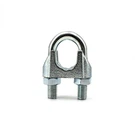


Shackles are simple yet incredibly versatile and essential components in various industries. As a shackle supplier, I've had the privilege of witnessing firsthand the diverse applications and significance of these unassuming pieces of hardware. In this blog post, I'll delve into the meaning of shackles, their types, uses, and why they are so crucial in different fields.
Defining Shackles
At its core, a shackle is a U - shaped piece of metal with a pin or bolt across the opening, used to connect two objects. The basic design allows for easy attachment and detachment, making it a go - to solution when a reliable and adjustable connection is needed. Shackles are typically made from high - strength materials such as steel, which can withstand significant amounts of stress and load.
Types of Shackles
There are several types of shackles available in the market, each designed for specific applications.
Bow Shackles
Bow shackles, also known as anchor shackles, have a rounded “bow” shape. This design provides a larger surface area for connecting multiple ropes, cables, or chains. They are commonly used in marine applications, such as anchoring boats, as well as in heavy - duty industrial lifting operations. One of the popular bow shackles is the Euro Type Large Bow Shackle. Its large size and robust construction make it suitable for handling substantial loads in various industries.
Dee Shackles
Dee shackles, or D - shackles, have a D - shaped body. They are more streamlined than bow shackles and are often used when the load needs to be applied in a single direction. Dee shackles are commonly used in rigging applications, such as attaching slings to lifting equipment. The US Type Forged Screw Pin Chain or Dee Shackle G210 is a well - known example of a high - quality dee shackle. It is forged for strength and features a screw pin for easy installation and removal.
Trawling Shackles
Trawling shackles, like the Trawling Dee Bow Shackles, are specifically designed for the fishing industry. They are used to connect fishing nets, lines, and other equipment. These shackles need to be corrosion - resistant and able to withstand the harsh marine environment. Their unique design ensures that they can handle the dynamic loads associated with trawling operations.
Applications of Shackles
Shackles find applications in a wide range of industries, and here are some of the most common ones:
Marine Industry
In the marine industry, shackles are used for mooring, towing, and anchoring. They are essential for connecting ropes, chains, and other equipment on boats and ships. For example, a large bow shackle can be used to connect an anchor chain to the boat's hull, ensuring a secure and reliable connection. Shackles are also used in fishing operations, as mentioned earlier, to connect fishing gear.
Construction Industry
In construction, shackles are used in lifting and rigging operations. They are used to attach slings, cables, and other lifting equipment to heavy loads such as steel beams, pre - cast concrete elements, and construction machinery. The ability to quickly and securely connect and disconnect components makes shackles indispensable on construction sites.
Manufacturing Industry
The manufacturing industry uses shackles in various production processes. They can be used to connect different parts of a production line, or in material handling operations to move heavy components around the factory floor. For example, a dee shackle can be used to attach a hoist to a conveyor system, allowing for the efficient movement of goods.
Oil and Gas Industry
In the oil and gas industry, shackles are used in offshore platforms, pipelines, and drilling operations. They are used to connect pipes, valves, and other equipment, and need to be able to withstand high pressures and harsh environmental conditions. Shackles in this industry are often made from special alloys to ensure corrosion resistance and high strength.
Importance of Quality Shackles
As a shackle supplier, I understand the importance of providing high - quality products. Quality shackles are essential for ensuring safety in various applications. A sub - standard shackle can fail under load, leading to accidents, injuries, and damage to equipment.
High - quality shackles are made from the right materials, such as high - strength steel, and are manufactured using proper processes. They are also tested to meet industry standards and regulations. For example, in the lifting industry, shackles need to be proof - tested to ensure that they can handle the specified loads.
Factors to Consider When Choosing Shackles
When choosing shackles, there are several factors that need to be considered:


Load Capacity
The load capacity of a shackle is one of the most important factors. It is crucial to choose a shackle that can handle the maximum load that will be applied to it. Overloading a shackle can lead to failure, so it's important to carefully calculate the load and select a shackle with an appropriate load rating.
Material
The material of the shackle affects its strength, corrosion resistance, and durability. Steel is the most common material for shackles, but different grades of steel offer different properties. For example, stainless steel shackles are more corrosion - resistant and are suitable for use in marine and other corrosive environments.
Type of Pin
Shackles can have different types of pins, such as screw pins, bolt pins, and cotter pins. Screw pins are easy to install and remove, making them suitable for applications where frequent disassembly is required. Bolt pins provide a more secure connection and are often used in high - load applications.
Size and Shape
The size and shape of the shackle should be chosen based on the specific application. For example, a large bow shackle may be needed for connecting multiple ropes, while a dee shackle may be more suitable for a single - direction load.
Conclusion
Shackles are simple yet vital components that play a crucial role in many industries. Their ability to provide a reliable and adjustable connection makes them indispensable in various applications, from marine and construction to manufacturing and oil and gas. As a shackle supplier, I am committed to providing high - quality shackles that meet the diverse needs of our customers.
If you are in need of shackles for your specific application, whether it's a large - scale industrial project or a small - scale fishing operation, I encourage you to reach out to me. We can discuss your requirements in detail and find the perfect shackles for your needs. Contact me to start a procurement discussion and ensure that you get the best shackles for your projects.
References
- Machinery's Handbook, Industrial Press Inc.
- Marine Engineering Manual, various authors
- Construction Rigging Guide, Construction Industry Publications