


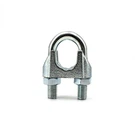


Hey there! As a shackle supplier, I often get asked about the torque specification for a shackle. It's a crucial topic, especially for those who rely on these little but mighty pieces of hardware in their work. So, let's dive right in and break it down.
First off, what exactly is torque? In simple terms, torque is the measure of the force that can cause an object to rotate around an axis. When it comes to shackles, proper torque is essential for ensuring a secure and safe connection. If the torque is too low, the shackle might come loose, leading to potential accidents. On the other hand, if the torque is too high, it can damage the shackle or the equipment it's attached to.
Now, the torque specification for a shackle isn't a one - size - fits - all deal. It depends on several factors. One of the most important factors is the size of the shackle. Generally, larger shackles require more torque than smaller ones. For example, a tiny shackle used in light - duty applications might have a relatively low torque requirement, while a heavy - duty shackle designed for industrial use will need a much higher torque.
The material of the shackle also plays a big role. Shackles can be made from different materials such as carbon steel, alloy steel, and stainless steel. Each material has its own properties, and these properties affect the torque specification. For instance, alloy steel shackles are often stronger and more durable than carbon steel ones, and they might be able to handle higher torque without getting damaged.
Another factor is the type of shackle. There are various types of shackles available in the market, like screw - pin shackles, bolt - type shackles, and more. Screw - pin shackles are quite common. They're easy to install and remove, but the torque specification for them needs to be carefully considered. If the screw - pin isn't tightened to the right torque, it could come loose during use.
Let's talk about some of the shackles we offer. We have the US Type Forged Screw Pin Chain or Dee Shackle G210. These shackles are widely used in many industries, including the marine and construction sectors. The torque specification for these shackles is based on their size and the intended application. For smaller sizes, the torque might be around 50 - 100 foot - pounds, while for larger sizes, it could go up to 500 foot - pounds or more.
Then we have the European Type Large Dee Shackles. These are known for their high strength and reliability. They're often used in heavy - lifting operations. The torque requirements for these shackles are usually higher compared to smaller shackles. We recommend following the manufacturer's guidelines to ensure the right torque is applied.
Our Euro Type Large Bow Shackle is another great option. Bow shackles are designed to handle loads from multiple directions. The torque specification for these shackles is determined by factors like the diameter of the pin and the overall size of the shackle.
So, how do you determine the correct torque for a shackle? Well, the best way is to refer to the manufacturer's documentation. Every shackle should come with a data sheet that includes the recommended torque values. If you don't have the data sheet, you can also consult with an engineer or an expert in the field. They can help you calculate the appropriate torque based on the specific details of your application.


When it comes to tightening the shackle, it's important to use the right tools. A torque wrench is the ideal tool for this job. It allows you to apply the exact amount of torque required. Using a regular wrench might result in over - or under - tightening, which can be dangerous.
Let's also talk about some safety tips related to shackle torque. Always double - check the torque after the shackle has been in use for a while. Vibrations and movements during operation can cause the shackle to loosen over time. It's a good practice to perform regular inspections and re - tighten the shackle if necessary.
In addition, make sure the surfaces where the shackle is being installed are clean and free of debris. Any dirt or rust can affect the torque and the overall performance of the shackle.
If you're in the market for high - quality shackles and need to know more about their torque specifications, we're here to help. We've been in the shackle business for a long time, and we have the expertise to guide you through the process. Whether you're a small - scale user or a large industrial company, we can provide you with the right shackles for your needs.
We understand that every application is unique, and that's why we offer a wide range of shackles with different sizes, materials, and types. So, if you're looking for a shackle that meets your specific requirements, just get in touch with us. We can discuss your project in detail and recommend the best shackles along with the correct torque specifications.
Don't hesitate to reach out if you have any questions or if you're ready to start a purchase. We're always happy to assist you in finding the perfect shackles for your operations. Let's work together to ensure your projects are safe and successful.
References
- General knowledge in the field of shackles and hardware engineering
- Manufacturer's data sheets for shackles