


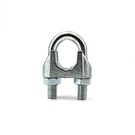


As a supplier of 322C hooks, I often get questions from customers about the applicability of these hooks in various environments, especially high - temperature scenarios. Today, I'd like to delve into this topic and provide you with a comprehensive analysis of whether 322C hooks can be used in high - temperature environments.
Understanding 322C Hooks
322C hooks are a type of high - quality lifting and rigging equipment that are commonly used in a wide range of industries, such as construction, manufacturing, and transportation. These hooks are known for their strength, durability, and reliability. They are designed to safely hold and transport heavy loads, making them an essential tool in many workplaces.
The design of 322C hooks typically features a robust structure with a well - defined shape that ensures proper engagement with the load. They are often made from high - strength steel materials, which contribute to their ability to withstand significant force. However, when it comes to high - temperature environments, the performance of these hooks can be affected by several factors.
Factors Affecting the Use of 322C Hooks in High - Temperature Environments
1. Material Properties at High Temperatures
The steel used in 322C hooks has specific mechanical properties at normal temperatures. But as the temperature rises, these properties can change. For example, the strength of the steel may decrease, which means the hook may not be able to support the same load as it can at room temperature. High - temperature exposure can also cause the steel to become more brittle, increasing the risk of cracking or even sudden failure.
The critical temperature at which the material properties of the steel start to deteriorate significantly varies depending on the type of steel. Some steels may start to lose strength at temperatures as low as 200°C (392°F), while others can withstand higher temperatures before significant changes occur.
2. Oxidation and Corrosion
In high - temperature environments, oxidation is a major concern. The steel in the 322C hooks can react with oxygen in the air, forming iron oxide (rust). This process can weaken the hook over time. Moreover, if there are other chemicals or contaminants in the high - temperature environment, they can accelerate the corrosion process, further compromising the integrity of the hook.
3. Thermal Expansion
Another factor to consider is thermal expansion. When exposed to high temperatures, the 322C hooks will expand. This expansion can cause problems in the connection points or the overall fit of the hook in the rigging system. For example, if the hook is part of a tightly - assembled system, the expansion may create excessive stress at the connection points, which could lead to loosening or even disconnection.
Assessing the Suitability of 322C Hooks for High - Temperature Use
To determine whether 322C hooks can be used in high - temperature environments, a detailed assessment is required based on the specific temperature range and the nature of the high - temperature environment.
1. Temperature Range
If the temperature in the environment is relatively low, say below 200°C (392°F) and the exposure time is short, 322C hooks made from suitable heat - resistant steels may still be able to perform their normal functions. However, it is crucial to monitor the hooks regularly for any signs of damage or deterioration.
For higher temperature ranges, such as above 400°C (752°F), special precautions or alternative solutions may be necessary. In some cases, heat - treated or specially - alloyed steel 322C hooks may be required. These hooks are designed to maintain their strength and integrity at elevated temperatures.
2. Environmental Conditions
In addition to temperature, the presence of other factors in the high - temperature environment, such as humidity, chemicals, and physical stress, also needs to be considered. For example, if the environment is highly humid or contains corrosive chemicals, the risk of oxidation and corrosion will be much higher. In such cases, additional protective measures, such as coating the hooks with anti - corrosion materials, may be necessary.
Alternatives and Complementary Products
If the high - temperature environment is too harsh for 322C hooks, there are alternative products available. For example, G450 US Type Galvanized Drop Forged Wire Rope Clips can be a good alternative in some rigging applications. These clips are designed to work with wire ropes and can provide a reliable connection even in challenging environments.
Another option is the US Type Galvanized Forged Turnbuckle with Stub End. Turnbuckles are used for adjusting the tension in rigging systems and can be more suitable for high - temperature environments in some cases.


For heavy - duty applications in high - temperature settings, the G43 High Test Chain ASTM 80 can be a reliable choice. This chain is made from high - strength materials and is designed to withstand significant loads and harsh conditions.
Conclusion and Call to Action
In conclusion, while 322C hooks are excellent rigging tools, their use in high - temperature environments needs to be carefully evaluated. The material properties, oxidation, corrosion, and thermal expansion all play important roles in determining their suitability. If the temperature and environmental conditions are within the acceptable range, proper selection and regular inspection of 322C hooks can ensure safe and efficient operation.
However, if the high - temperature environment is too severe, alternative products may be more appropriate. As a supplier of 322C hooks, I am committed to helping you make the right choice for your specific application. If you have any questions about whether 322C hooks are suitable for your high - temperature environment or need more information about our products, please feel free to contact me for a detailed discussion and potential procurement. Let's work together to find the best rigging solutions for your business.
References
- ASME B30.10 - Safety Standard for Hooks
- ASTM A36/A36M - Standard Specification for Carbon Structural Steel
- AWS D1.1/D1.1M - Structural Welding Code - Steel