


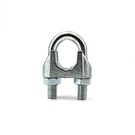


Picking the right size of a thimble is super important, whether you're a DIY enthusiast or a professional in the rigging and lifting game. As a thimble supplier, I've seen firsthand how a well - chosen thimble can make all the difference in the safety and efficiency of your projects. In this blog, I'll share some tips on how to choose the perfect thimble size for your needs.
Understanding Thimbles
First things first, let's talk about what a thimble is. A thimble is a small, usually metal, device that's used to protect ropes, cables, or wires from abrasion when they're bent around a fitting or through a hole. It's kind of like a little shield for your precious ropes. Thimbles come in different shapes and sizes, and they're made from various materials like steel, stainless steel, and even plastic.
Factors to Consider When Choosing Thimble Size
Rope or Cable Diameter
The most crucial factor when choosing a thimble size is the diameter of the rope or cable you'll be using it with. You want a thimble that fits snugly around the rope without being too tight or too loose. If the thimble is too small, it can damage the rope by squeezing it too hard. On the other hand, if it's too big, the rope won't be properly supported, and it can slide around inside the thimble, leading to wear and tear.
To determine the right thimble size based on rope diameter, you can refer to a sizing chart. Most thimble manufacturers provide these charts, which show the recommended thimble size for different rope diameters. For example, if you have a 1/4 - inch diameter rope, you'll need a thimble that's designed to fit ropes of that size.
Load Capacity
Another important consideration is the load capacity of the thimble. This refers to the maximum amount of weight or force that the thimble can safely handle. You need to make sure that the thimble you choose can support the load that will be placed on the rope or cable.
The load capacity of a thimble depends on several factors, including its material, size, and design. Generally, larger thimbles made from high - strength materials like steel have a higher load capacity. When you're selecting a thimble, check the manufacturer's specifications to find out its load capacity. Make sure it's sufficient for your specific application. For instance, if you're using the rope to lift heavy equipment, you'll need a thimble with a high load capacity.
Application
The application for which you'll be using the thimble also plays a role in determining the right size. Different applications have different requirements. For example, if you're using the thimble in a marine environment, you'll need a thimble that's resistant to corrosion. Stainless steel thimbles are a great choice for marine applications because they can withstand the harsh saltwater environment.
If you're using the thimble in a construction or industrial setting, you might need a thimble with a higher load capacity and more durability. In these cases, forged steel thimbles are often a good option. They're strong and can handle heavy loads.
Common Thimble Sizes and Their Uses
Small Thimbles
Small thimbles, typically with a rope capacity of up to 1/8 - inch, are often used in lightweight applications. They're great for things like model making, jewelry making, or small DIY projects. For example, if you're making a small decorative rope knot, a small thimble can protect the rope from fraying.
Medium Thimbles
Medium - sized thimbles, which can accommodate ropes with diameters between 1/8 - inch and 1/4 - inch, are more commonly used in general rigging and light - duty lifting applications. They're suitable for tasks like securing a small boat to a dock or hanging a lightweight sign.
Large Thimbles
Large thimbles, designed for ropes with diameters greater than 1/4 - inch, are used in heavy - duty applications. They're commonly found in construction, mining, and industrial settings. For example, in a construction site, large thimbles might be used to support the ropes that lift heavy building materials.
Related Products and Their Importance
When you're working with thimbles, you might also need other related products. For example, G403 Forged Jaw End Swivel Carbon Steel Hdg is a useful product that can be used in conjunction with thimbles. This swivel allows the rope or cable to rotate freely, reducing the risk of twisting and tangling. It's especially important in applications where the load might move or change direction.
Din 766 Short Link Chain E.g. is another product that can be used with thimbles. This short - link chain is often used for securing loads and providing additional strength. It can be connected to the rope through a thimble, creating a more secure connection.
US Type Galvanized Forged Turnbuckle with Stub End is also a valuable addition to your rigging setup. It can be used to adjust the tension of the rope or cable, ensuring that it's properly tightened and secure.
How to Measure for the Right Thimble Size
Measuring the rope or cable diameter accurately is essential for choosing the right thimble size. You can use a caliper to measure the diameter of the rope at its thickest point. Make sure to measure it in a straight section of the rope, away from any knots or bends.
If you don't have a caliper, you can also use a ruler or a tape measure. Wrap the measuring tool around the rope and then divide the measurement by π (approximately 3.14) to get the diameter. However, this method is less accurate than using a caliper.
Making the Right Choice
Once you've considered all the factors and measured the rope diameter, it's time to make a decision. Don't be afraid to ask for advice from the thimble supplier. As a supplier, I'm always happy to help customers choose the right thimble size for their needs. We have a wide range of thimbles in different sizes, materials, and designs, so we can find the perfect one for you.


Remember, choosing the right thimble size is crucial for the safety and success of your project. A well - chosen thimble can extend the life of your rope or cable, reduce the risk of accidents, and ensure that your load is properly supported.
Conclusion
In conclusion, choosing the right size of a thimble involves considering the rope or cable diameter, load capacity, and application. By carefully evaluating these factors and measuring the rope accurately, you can select the perfect thimble for your needs. If you have any questions or need further assistance in choosing the right thimble size, don't hesitate to reach out. We're here to help you make the best decision for your project. Whether you're a professional or a hobbyist, we have the right thimble for you. Contact us to start a procurement discussion and find the ideal thimble solution for your requirements.
References
- Thimble Manufacturer's Sizing Charts
- Rigging and Lifting Industry Standards and Guidelines