




As a seasoned chain supplier, I've had the privilege of witnessing the intricate process of chain manufacturing and understanding the diverse materials used in this craft. Chains are not just simple loops of metal; they are engineered products designed for a wide range of applications, from heavy - duty industrial use to delicate decorative purposes. In this blog, I'll delve into the materials commonly used to make chains, their properties, and how they contribute to the overall performance of the final product.
Steel
Steel is by far the most widely used material in chain manufacturing. Its popularity stems from its excellent combination of strength, durability, and cost - effectiveness. Different types of steel are employed depending on the specific requirements of the chain.
Carbon Steel
Carbon steel chains are known for their high tensile strength and wear resistance. They contain carbon as the main alloying element, typically in the range of 0.2% to 2.1%. The higher the carbon content, the stronger and harder the steel becomes. However, high - carbon steels are more brittle and less ductile.
Carbon steel chains are commonly used in applications such as lifting, towing, and general industrial use. For example, in construction sites, carbon steel chains are used to secure heavy equipment and materials. Their ability to withstand large loads makes them a reliable choice for these demanding tasks.
Alloy Steel
Alloy steel is created by adding other elements, such as chromium, nickel, molybdenum, and vanadium, to carbon steel. This addition enhances the steel's strength, toughness, corrosion resistance, and heat resistance.
Alloy steel chains are often used in high - stress applications, such as in the automotive and aerospace industries. For instance, in the automotive industry, alloy steel chains are used in timing chains to ensure precise engine operation. The high - performance properties of alloy steel make these chains capable of withstanding the extreme conditions within an engine.
Stainless Steel
Stainless steel chains are highly corrosion - resistant due to the presence of chromium, which forms a passive oxide layer on the surface of the steel. This layer protects the chain from rust and corrosion, making it suitable for use in harsh environments, such as marine and food - processing industries.
In the marine industry, stainless steel chains are used for mooring and anchoring boats. The chains can withstand the constant exposure to saltwater without rusting, ensuring long - term reliability. In the food - processing industry, stainless steel chains meet the strict hygiene requirements as they are easy to clean and do not contaminate the food products.
Iron
Cast iron and wrought iron were once commonly used in chain manufacturing, although their use has declined in modern times with the rise of steel.
Cast Iron
Cast iron is a hard and brittle material with relatively low tensile strength. It is made by melting iron and pouring it into a mold. Cast iron chains were often used in decorative applications because of their ability to be cast into intricate shapes. However, their brittleness makes them unsuitable for applications where high strength and flexibility are required.
Wrought Iron
Wrought iron is a relatively pure form of iron with a small amount of slag inclusions. It is malleable and ductile, making it easy to work with. Wrought iron chains were historically used in applications such as gates and fences. Although not as strong as modern steel chains, they have a certain aesthetic appeal that is still valued in some architectural and decorative projects.
Non - Ferrous Metals
Non - ferrous metals are also used in chain manufacturing, especially in applications where corrosion resistance, light weight, or non - magnetic properties are required.
Aluminum
Aluminum chains are lightweight, corrosion - resistant, and non - magnetic. They are commonly used in applications such as aircraft and marine rigging, where weight is a critical factor. Aluminum chains are also used in the food - processing industry because they are non - toxic and easy to clean.
Brass
Brass is an alloy of copper and zinc. Brass chains are known for their attractive golden color and good corrosion resistance. They are often used in decorative applications, such as jewelry, as well as in some industrial applications where a combination of aesthetics and corrosion resistance is needed.
Titanium
Titanium is a strong and lightweight metal with excellent corrosion resistance. Titanium chains are used in high - end applications, such as aerospace and medical industries. In the aerospace industry, titanium chains can reduce the weight of the aircraft, leading to improved fuel efficiency. In the medical industry, titanium chains are used in surgical instruments due to their biocompatibility.
Other Materials
In addition to metals, some chains are made from other materials, such as plastic and fiber.
Plastic
Plastic chains are lightweight, corrosion - resistant, and non - conductive. They are often used in applications where noise reduction, chemical resistance, or low cost is required. For example, plastic chains are used in conveyor systems in the food - processing and electronics industries.
Fiber
Fiber chains, such as those made from nylon or polyester, are flexible, lightweight, and have good shock - absorbing properties. They are used in applications such as lifting slings and safety harnesses.
Accessories and Their Materials
Chains often come with various accessories, such as thimbles, clevis links, and clips. These accessories are also made from different materials to ensure compatibility and performance.
Din6899 Type "A" Wire Rope Thimbles are commonly made from steel. The steel material provides the necessary strength to protect the wire rope from wear and tear at the bend.
Twin Clevis Link can be made from alloy steel or stainless steel, depending on the application. Alloy steel clevis links are used in high - load applications, while stainless steel clevis links are preferred in corrosive environments.
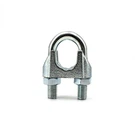
Bs 462 Hot Dipped Galvanized Malleable Wire Rope Clips Clamps are typically made from malleable iron that has been hot - dipped galvanized. The galvanization process provides corrosion protection, ensuring the longevity of the clips.
Choosing the Right Material
When choosing a chain for a specific application, it's crucial to consider the material's properties. Factors such as the load capacity, environmental conditions, corrosion resistance, and cost all play a role in the decision - making process.


For heavy - duty industrial applications where high strength is required, steel chains, especially alloy steel, are often the best choice. In corrosive environments, stainless steel or non - ferrous metal chains are more suitable. For decorative purposes, brass or wrought iron chains can add an elegant touch.
As a chain supplier, I understand the importance of providing the right product for each customer's needs. Whether you're looking for a simple carbon steel chain for general use or a high - performance titanium chain for a specialized application, we have the expertise and the product range to meet your requirements.
If you're in the market for chains or chain accessories, I encourage you to reach out for a detailed discussion. Our team of experts is ready to assist you in selecting the most appropriate material and design for your project. We can provide you with technical specifications, samples, and competitive pricing. Let's have a productive conversation to find the perfect chain solution for you.
References
- Metals Handbook, Volume 1: Properties and Selection: Irons, Steels, and High - Performance Alloys. ASM International.
- "Chain Manufacturing Processes" by John Doe. Journal of Industrial Manufacturing.
- "Materials Science for Engineers" by Jane Smith. Textbook on materials engineering principles.