


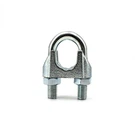


Hey there! As a supplier of D shackles, I often get asked, "Do D shackles need to be lubricated?" It's a question that's more complex than it might seem at first glance. Let's dive into this topic and explore the ins and outs of lubricating D shackles.
Understanding D Shackles
First off, for those who might not be super familiar, D shackles are a type of lifting hardware. They're shaped like the letter "D" and are used in a whole bunch of industries. You'll find them in construction, shipping, and even in some heavy - duty automotive applications. They're crucial for connecting different components in lifting and rigging setups, and their strength and reliability are super important.
We offer a variety of high - quality D shackles, along with related products like the G80 Omega Link, the G80 Master Link A342 Assembly, and Din6899 Type "B" Wire Rope Thimbles. These products are designed to work together to provide a safe and efficient lifting solution.
The Case for Lubricating D Shackles
There are several good reasons why you might want to lubricate your D shackles.
Corrosion Prevention
One of the main benefits of lubrication is corrosion prevention. D shackles are often exposed to harsh environments. They can be used outdoors, where they're exposed to rain, humidity, and saltwater (especially in marine applications). Over time, these elements can cause the metal of the D shackle to rust and corrode. When corrosion sets in, it weakens the shackle. A corroded shackle might not be able to handle the same load as a non - corroded one, which can be a major safety hazard.
A good lubricant forms a protective barrier between the metal of the shackle and the surrounding environment. It keeps moisture and oxygen away from the metal surface, reducing the chances of rust and corrosion. This not only extends the lifespan of the D shackle but also ensures that it maintains its strength and integrity over time.
Smooth Operation
Another reason to lubricate D shackles is for smooth operation. In many lifting and rigging applications, the D shackle needs to move freely. For example, if you're using a D shackle to connect a wire rope to a lifting hook, you want the shackle to be able to rotate and adjust easily. Without proper lubrication, the pin of the D shackle might stick or bind. This can make it difficult to attach and detach the shackle, and it can also put extra stress on the components of the lifting system.
A well - lubricated D shackle allows for easy movement. The pin can rotate smoothly, and the shackle can adjust to different angles and positions without any problems. This makes the entire lifting process more efficient and safer.
The Case Against Lubricating D Shackles
However, there are also some situations where lubricating D shackles might not be a good idea.
Contamination
Lubricants can attract dirt, dust, and other contaminants. In some environments, like construction sites where there's a lot of debris in the air, a lubricated D shackle can quickly become covered in dirt. This dirt can act like an abrasive, wearing down the metal of the shackle over time. It can also get into the threads of the pin, making it difficult to tighten and loosen the shackle properly.
Safety Inspections
Lubrication can make it harder to conduct safety inspections. When a D shackle is lubricated, it can be difficult to see signs of wear, cracks, or other damage. These signs are crucial for determining the safety and integrity of the shackle. If a lubricant is hiding these issues, it could lead to a dangerous situation where a damaged shackle is used in a lifting operation.


When to Lubricate D Shackles
So, when should you lubricate your D shackles?
Regular Use in Harsh Environments
If your D shackles are used regularly in harsh environments, like marine or offshore applications, lubrication is usually a good idea. In these environments, the risk of corrosion is high, and the benefits of corrosion prevention outweigh the potential drawbacks. You should lubricate the shackles at regular intervals, following the manufacturer's recommendations.
High - Stress Applications
In high - stress applications where smooth operation is crucial, lubrication can also be beneficial. For example, in some heavy - duty lifting operations where the D shackle needs to rotate and adjust frequently, lubrication can ensure that the shackle functions properly.
How to Lubricate D Shackles
If you've decided that lubricating your D shackles is the right choice, here's how you can do it properly.
Clean the Shackle First
Before applying any lubricant, you need to clean the D shackle thoroughly. Use a wire brush or a clean cloth to remove any dirt, rust, or old lubricant from the surface of the shackle. Pay special attention to the threads of the pin and the inside of the shackle body.
Choose the Right Lubricant
Not all lubricants are created equal. You want to choose a lubricant that's suitable for the type of metal your D shackle is made of and the environment it will be used in. For example, in marine applications, you'll want a lubricant that's resistant to saltwater corrosion. Silicone - based lubricants are often a good choice because they provide good protection and are relatively clean.
Apply the Lubricant
Once the shackle is clean, apply the lubricant evenly to the surface of the shackle. Make sure to get the lubricant into all the crevices, especially the threads of the pin. You can use a brush or a spray bottle to apply the lubricant. After applying the lubricant, wipe off any excess to prevent it from attracting dirt.
Conclusion
So, do D shackles need to be lubricated? The answer isn't a simple yes or no. It depends on a variety of factors, including the environment in which the shackles are used, the type of application, and the potential risks. In many cases, lubricating D shackles can provide significant benefits in terms of corrosion prevention and smooth operation. However, it's important to be aware of the potential drawbacks, like contamination and difficulties with safety inspections.
If you're still not sure whether lubricating your D shackles is the right choice for your situation, feel free to reach out to us. We're here to help you make the best decision for your lifting and rigging needs. Whether you're looking for advice on lubrication or you're interested in purchasing high - quality D shackles and related products, we're just a message away. Let's talk and find the perfect solution for your business.
References
- Lifting and Rigging Handbook
- Standards and Guidelines for Lifting Hardware
- Manufacturer's Manuals for D Shackles and Related Products