


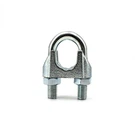


Turnbuckles are essential components in various industries, including construction, marine, and transportation. As a turnbuckle supplier, I understand the importance of safety features in these hardware items. In this blog post, I will delve into the key safety features of turnbuckles to help you make informed decisions when selecting the right ones for your applications.
Material Quality and Durability
The material used in the manufacturing of turnbuckles is crucial for their safety and performance. High - quality materials can withstand heavy loads, resist corrosion, and ensure long - term reliability.
Forged Steel
Many turnbuckles are made from forged steel. Forging is a process that involves shaping metal under high pressure, which results in a denser and stronger material compared to cast or machined parts. Forged steel turnbuckles, such as the US Type Forged Steel Wire Rope Turnbuckle Body, offer excellent strength and can handle significant tension forces. They are less likely to break or deform under stress, providing a high level of safety in critical applications.
Galvanized Coating
Galvanization is a common surface treatment for turnbuckles. A galvanized coating acts as a protective barrier against corrosion. In environments where turnbuckles are exposed to moisture, chemicals, or saltwater, such as in marine applications, a galvanized finish can significantly extend the lifespan of the turnbuckle. The Jis Frame Large Galvanized Turnbuckle with Eye and Eye is an example of a turnbuckle that benefits from this protective coating. It reduces the risk of rust and degradation, which could otherwise weaken the turnbuckle and compromise its safety.
Design Features for Safety
The design of turnbuckles plays a vital role in ensuring their safe operation.
Threaded Design
Turnbuckles typically have a threaded body and end fittings. The threads are designed to provide a secure connection and allow for easy adjustment of tension. A well - machined thread ensures a smooth and tight fit between the turnbuckle body and the end fittings. This prevents the end fittings from coming loose during use, which could lead to a sudden loss of tension and potentially dangerous situations.
Locking Mechanisms
Some turnbuckles are equipped with locking mechanisms to prevent accidental loosening. For example, a lock nut can be used to secure the end fittings in place once the desired tension is achieved. This additional safety feature is especially important in applications where vibrations or movement could cause the turnbuckle to gradually loosen over time.
Eye and Hook Configurations
The end fittings of turnbuckles, such as eyes and hooks, are designed to provide a safe and reliable connection to other components. The Din1480 Standard Cast Turnbuckle with Hook and Hook features hooks that can be easily attached to ropes, cables, or other fixtures. The shape and size of the hooks are engineered to ensure a proper fit and prevent slippage. Similarly, eye - type end fittings provide a secure loop for connecting to pins or other fasteners.
Load Rating and Certification
Understanding the load - bearing capacity of turnbuckles is essential for safety.
Load Rating
Each turnbuckle has a specified load rating, which indicates the maximum amount of tension it can safely handle. It is crucial to select a turnbuckle with a load rating that exceeds the expected load in your application. Overloading a turnbuckle can cause it to fail, leading to serious accidents. As a supplier, I always ensure that our turnbuckles are accurately rated and that customers are well - informed about these ratings.
Certification
Reputable turnbuckle suppliers ensure that their products meet industry standards and certifications. These certifications, such as ISO standards, verify that the turnbuckles have been tested and meet specific quality and safety requirements. By choosing certified turnbuckles, you can have greater confidence in their performance and safety.
Inspection and Maintenance
Regular inspection and maintenance are key to ensuring the continued safety of turnbuckles.
Visual Inspection
Before each use, it is important to conduct a visual inspection of the turnbuckle. Look for signs of damage, such as cracks, dents, or excessive wear on the body, threads, and end fittings. Any damaged turnbuckle should be immediately removed from service and replaced to prevent potential failures.


Lubrication
Proper lubrication of the threads can help maintain the smooth operation of the turnbuckle and prevent corrosion. Using a suitable lubricant can also reduce friction, making it easier to adjust the tension. However, it is important to use a lubricant that is compatible with the turnbuckle material and the operating environment.
Safety in Installation
Correct installation of turnbuckles is critical for their safe and effective use.
Alignment
When installing a turnbuckle, it is essential to ensure proper alignment. Misaligned turnbuckles can cause uneven stress distribution, which may lead to premature failure. Make sure that the turnbuckle is installed in a straight line with the connected components and that the end fittings are properly seated.
Tension Adjustment
Proper tension adjustment is also crucial. Over - tightening or under - tightening the turnbuckle can both pose safety risks. Over - tightening can cause excessive stress on the turnbuckle and the connected components, while under - tightening can result in a loose connection and potential slippage.
In conclusion, the safety features of turnbuckles are multifaceted, encompassing material quality, design, load rating, inspection, and installation. As a turnbuckle supplier, I am committed to providing high - quality turnbuckles that meet the strictest safety standards. Whether you need a Din1480 Standard Cast Turnbuckle with Hook and Hook, a Jis Frame Large Galvanized Turnbuckle with Eye and Eye, or a US Type Forged Steel Wire Rope Turnbuckle Body, I can offer you products that are safe, reliable, and suitable for your specific needs.
If you are in the market for turnbuckles or have any questions about our products, please feel free to contact us to discuss your requirements. We look forward to helping you find the perfect turnbuckle solutions for your projects.
References
- ASME B30.26 - 2019, "Rigging Hardware"
- ISO 9001:2015, "Quality Management Systems - Requirements"