


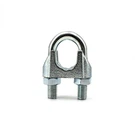


Shackles are essential components in various industries, from marine and construction to manufacturing and transportation. As a shackle supplier, I've had the privilege of witnessing the fascinating process of how these crucial pieces of hardware are made. In this blog, I'll take you through the step-by-step journey of shackle production, from raw materials to the finished product.
Raw Materials Selection
The first and most crucial step in making shackles is selecting the right raw materials. The quality of the raw materials directly impacts the strength, durability, and performance of the shackles. Most shackles are made from high-strength steel, which provides excellent resistance to corrosion, wear, and heavy loads. The specific type of steel used depends on the application and the required strength of the shackle.
For example, in marine applications, where shackles are exposed to saltwater and harsh environmental conditions, stainless steel is often the preferred choice due to its superior corrosion resistance. On the other hand, for general industrial use, carbon steel is commonly used because of its high strength and cost-effectiveness.
Cutting and Shaping
Once the raw materials are selected, the next step is to cut and shape them into the desired form. This is typically done using a combination of cutting, forging, and machining processes.
Cutting
The steel is first cut into the appropriate lengths using a saw or a cutting machine. The length of the steel depends on the size and design of the shackle being produced.
Forging
Forging is a critical process in shackle manufacturing as it helps to improve the strength and integrity of the steel. The cut steel is heated to a high temperature and then shaped using a forging press or a hammer. This process helps to align the grain structure of the steel, making it stronger and more resistant to cracking and deformation.
During forging, the steel is shaped into the basic form of the shackle, including the body, the pin hole, and the screw pin (if applicable). The forging process can also be used to add features such as the bow shape or the anchor shape to the shackle.
Machining
After forging, the shackle is further refined using machining processes such as turning, milling, and drilling. These processes are used to create the precise dimensions and tolerances required for the shackle to function properly.
For example, the pin hole is drilled to the exact size and depth to ensure a proper fit for the pin. The threads on the screw pin are also machined to the correct pitch and diameter to ensure a secure connection.
Heat Treatment
Heat treatment is an important step in shackle manufacturing as it helps to improve the mechanical properties of the steel. After machining, the shackle is heated to a specific temperature and then cooled at a controlled rate to achieve the desired hardness and strength.
There are several types of heat treatment processes that can be used in shackle manufacturing, including quenching, tempering, and annealing. Quenching involves heating the shackle to a high temperature and then rapidly cooling it in a liquid such as water or oil. This process helps to harden the steel and improve its strength.
Tempering is a subsequent process that is used to reduce the brittleness of the quenched steel and improve its toughness. The shackle is heated to a lower temperature and then cooled slowly to relieve the internal stresses created during quenching.
Annealing is another heat treatment process that is used to soften the steel and improve its machinability. This process involves heating the shackle to a high temperature and then cooling it slowly in a furnace.
Surface Treatment
Surface treatment is the final step in shackle manufacturing as it helps to protect the shackle from corrosion and improve its appearance. There are several types of surface treatment processes that can be used in shackle manufacturing, including galvanizing, painting, and powder coating.
Galvanizing
Galvanizing is a popular surface treatment process for shackles as it provides excellent corrosion resistance. In this process, the shackle is coated with a layer of zinc, which acts as a sacrificial anode to protect the steel from rusting.
Painting
Painting is another common surface treatment process for shackles. The shackle is coated with a layer of paint to protect it from corrosion and to improve its appearance. The type of paint used depends on the application and the environmental conditions the shackle will be exposed to.
Powder Coating
Powder coating is a more advanced surface treatment process that provides a durable and attractive finish. In this process, a dry powder is applied to the shackle using an electrostatic spray gun. The powder is then heated to a high temperature, causing it to melt and form a smooth, hard coating.
Quality Control
Throughout the manufacturing process, strict quality control measures are implemented to ensure that the shackles meet the highest standards of quality and safety. This includes inspecting the raw materials, monitoring the manufacturing processes, and testing the finished shackles.
Material Inspection
The raw materials are inspected to ensure that they meet the required specifications and standards. This includes checking the chemical composition, the mechanical properties, and the surface quality of the steel.


Process Monitoring
The manufacturing processes are monitored to ensure that they are being carried out correctly and consistently. This includes monitoring the temperature, the pressure, and the time during the forging, heat treatment, and machining processes.
Testing
The finished shackles are tested to ensure that they meet the required strength and performance standards. This includes testing the tensile strength, the shear strength, and the fatigue resistance of the shackles.
Types of Shackles
As a shackle supplier, we offer a wide range of shackles to meet the diverse needs of our customers. Some of the most common types of shackles we supply include:
- Jis Type Screw Pin Chain Dee Shackle: This type of shackle is commonly used in chain applications and features a screw pin for easy installation and removal.
- US Type Round Pin Anchor Shackle G213: This is a heavy-duty shackle that is commonly used in marine and offshore applications. It features a round pin and an anchor shape for added strength and stability.
- Jis Type Screw Pin Chain Dee Shackle with Counter Sunk Head: This type of shackle is similar to the Jis Type Screw Pin Chain Dee Shackle but features a counter sunk head for a more flush fit.
Contact Us for Your Shackle Needs
If you're in the market for high-quality shackles, look no further. As a leading shackle supplier, we are committed to providing our customers with the best products and services. Our shackles are manufactured using the latest technology and the highest quality materials to ensure maximum strength, durability, and performance.
Whether you need a single shackle for a small project or a large quantity for a major industrial application, we can help. Contact us today to discuss your shackle needs and to get a quote. We look forward to working with you!
References
- ASME B30.26 - Slings
- ASTM A952 - Standard Specification for Alloy Steel Chain Shackles, Grade 80
- ISO 2415 - Chain Shackles - General and Technical Requirements