


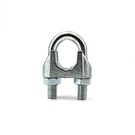


Shackles are one of those unsung heroes in the world of structural engineering and heavy - duty work. As a shackle supplier, I've seen firsthand how these small but mighty pieces of hardware play a crucial role in keeping structures stable. In this blog, I'll break down how shackles contribute to the stability of structures and why they're such an essential part of any construction or heavy - lifting project.
What are Shackles?
Before we dive into their role in stability, let's quickly go over what shackles are. Shackles are U - shaped pieces of metal with a pin or bolt across the opening. They're designed to connect different components in a structure or a lifting system. You can find them in various sizes, shapes, and materials, depending on the specific application. Some common types we supply include Trawling Dee Bow Shackles, European Type Large Dee Shackles, and Jis Type Screw Pin Anchor Shackle.
Load Distribution
One of the key ways shackles contribute to structural stability is through load distribution. When a structure is under stress, whether it's from the weight of materials, wind forces, or other external factors, the load needs to be spread out evenly. Shackles act as connectors that help transfer the load from one part of the structure to another.
For example, in a crane - lifting operation, a shackle is used to connect the hoist to the load. Without a shackle, the entire load would be concentrated at a single point on the hoist, which could lead to over - stressing and potential failure. The shackle distributes the load across a larger area, reducing the stress on any one component. This even distribution of load helps prevent structural weakening and ensures that the entire system remains stable.
In a bridge construction, shackles are used to connect different sections of the bridge, like the girders and the cables. They help transfer the weight of the bridge and the traffic it carries to the supporting structures. By evenly distributing the load, shackles reduce the risk of localized stress points that could cause the bridge to collapse.


Flexibility and Movement Accommodation
Structures aren't always static. They can experience movement due to factors like thermal expansion, seismic activity, or even normal use. Shackles provide a degree of flexibility that allows structures to move without losing their stability.
Think about a large industrial building. During hot summer days, the metal components of the building can expand. If the connections between these components were rigid, the expansion could cause significant stress and potentially damage the structure. Shackles, however, can accommodate this movement. They can pivot and rotate slightly, allowing the connected parts to move relative to each other without breaking the connection.
In offshore oil rigs, which are constantly exposed to the movement of the ocean, shackles are used to connect various platforms and equipment. They can handle the up - and - down motion, side - to - side sway, and rotational forces caused by waves and currents. This flexibility ensures that the rig remains stable and operational in a challenging environment.
Reliable Connection
A stable structure requires reliable connections between its components. Shackles offer a high - level of reliability. They are designed to withstand high levels of tension and shear forces. The pin or bolt in a shackle is carefully engineered to fit tightly and securely, preventing the shackle from coming apart under load.
In the shipping industry, shackles are used to secure cargo on ships. The constant movement of the ship on the open sea can subject the cargo to significant forces. A reliable shackle connection ensures that the cargo remains in place and doesn't shift during transit. This not only protects the cargo but also maintains the stability of the ship by keeping the weight distribution balanced.
In construction, when building tall structures like skyscrapers, the connections between the steel beams and columns need to be extremely reliable. Shackles provide a strong and secure connection that can withstand the high - rise building's self - weight, wind loads, and seismic forces.
Safety Factor
Shackles are typically designed with a significant safety factor. This means that they can handle loads well beyond their normal working capacity. For example, a shackle rated for a 10 - ton load might be able to withstand 20 tons or more without failing.
This safety factor is crucial for ensuring the stability of structures. In real - world applications, there can be unexpected loads or situations that exceed the normal design parameters. A shackle with a high safety factor provides an extra margin of safety, reducing the risk of structural failure.
In a mining operation, where heavy equipment is used to move large amounts of ore, the shackles used to connect the equipment and the haulage systems need to be extremely reliable. The safety factor built into the shackles ensures that they can handle the high - stress conditions and prevent accidents that could lead to instability in the mining infrastructure.
Compatibility and Standardization
Another advantage of shackles is their compatibility and standardization. There are industry - wide standards for shackle design, size, and strength. This means that shackles from different suppliers are generally interchangeable, as long as they meet the same standards.
This standardization makes it easier to select the right shackle for a specific application. Engineers and contractors can confidently choose a shackle based on the load requirements and the type of connection needed. It also simplifies the process of replacing or upgrading shackles in an existing structure.
For example, in a manufacturing plant, if a shackle in a conveyor system needs to be replaced, the maintenance team can easily find a compatible shackle that meets the same standards as the original one. This ensures that the conveyor system remains stable and operational without any major disruptions.
Conclusion
In conclusion, shackles are an integral part of ensuring the stability of structures. Through load distribution, flexibility, reliable connection, a high safety factor, and compatibility, they play a vital role in a wide range of industries, from construction and shipping to mining and offshore operations.
If you're working on a project that requires shackles, I encourage you to reach out for more information and to discuss your specific needs. Whether you need Trawling Dee Bow Shackles, European Type Large Dee Shackles, or Jis Type Screw Pin Anchor Shackle, we can provide you with high - quality products that meet your requirements. Let's work together to ensure the stability and success of your project.
References
- Engineering Mechanics textbooks
- Industry standards for shackles (e.g., ASTM, ISO)
- Case studies from construction, shipping, and mining industries