


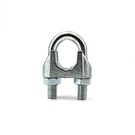


As a shackle supplier, I've seen firsthand the importance of keeping these little guys from loosening up during use. Shackles are used in all sorts of applications, from heavy - duty industrial work to marine activities, and a loose shackle can spell big trouble. So, let's dive into some practical ways to prevent a shackle from loosening.
1. Choose the Right Shackle for the Job
First things first, picking the right shackle is crucial. Different jobs require different types of shackles. For example, if you're in the trawling industry, Trawling Dee Bow Shackles are a great option. These are designed specifically for the rigors of trawling, with a shape and strength that can handle the heavy loads and constant movement.
On the other hand, if you're working on a project that follows US standards, the US Standard Bolt Type Anchor Bow Shackle G2130 might be your go - to. It's built to meet specific US standards, which means it's reliable and can be trusted for various anchor - related applications. And for those in Europe or with European - style projects, the Euro Type Large Bow Shackle offers a large - capacity solution with a design that suits European requirements.
2. Proper Installation
Installing the shackle correctly is half the battle. Start by making sure the shackle is clean and free of any debris or rust. A dirty or rusty shackle can prevent a proper fit and increase the chances of it loosening.
When inserting the pin, ensure it goes all the way through and is tightened properly. For bolt - type shackles, use the right tools to tighten the nut. Over - tightening can damage the shackle, but under - tightening is just as bad. You want a snug fit that holds everything in place but doesn't cause any stress fractures.
3. Use Locking Mechanisms
One of the most effective ways to prevent a shackle from loosening is by using locking mechanisms. There are several types available, and each has its own advantages.
Cotter Pins
Cotter pins are a classic choice. They're inexpensive and easy to install. After inserting the pin of the shackle, you simply bend the cotter pin through the hole in the pin and spread the ends. This keeps the pin from backing out. However, they do require regular inspection as they can wear out over time.
Lock Nuts
Lock nuts are another great option. They have a special design that resists vibration and prevents the nut from loosening. When using a lock nut on a bolt - type shackle, make sure to follow the manufacturer's instructions for proper tightening.
Safety Wires
Safety wires are often used in high - risk applications. They work by threading a wire through the pin and around the shackle body in a specific pattern. This creates a tension that holds the pin in place. Safety wires are more complex to install than cotter pins or lock nuts, but they offer a high level of security.
4. Regular Inspection
Regular inspection is key to preventing shackle loosening. Make it a habit to check your shackles before each use. Look for any signs of wear, such as cracks, dents, or corrosion. If you notice any damage, replace the shackle immediately.
Check the tightness of the pin or nut. If it seems loose, tighten it up. But be careful not to over - tighten. Also, inspect the locking mechanisms. If a cotter pin is bent or damaged, replace it. If a lock nut has come loose, tighten it or replace it if necessary.
5. Consider the Environment
The environment in which the shackle is used can have a big impact on its performance. For example, in a marine environment, saltwater can cause corrosion. To prevent this, use shackles that are made from corrosion - resistant materials, such as stainless steel.
In a high - vibration environment, like a construction site or a machine shop, the vibrations can cause the shackle to loosen. In these cases, using a more robust locking mechanism, like safety wires, might be a good idea.
6. Training and Education
If you're working in a team, make sure everyone is trained on how to use and maintain shackles properly. Improper handling can lead to shackle loosening. Provide training on correct installation, the use of locking mechanisms, and regular inspection procedures.
7. Manufacturer's Recommendations
Always follow the manufacturer's recommendations. They know their products best and can provide specific guidelines on installation, maintenance, and usage. If the manufacturer recommends a certain type of locking mechanism or a specific tightening torque, make sure to follow it.
8. Lubrication
In some cases, lubrication can help prevent shackle loosening. A small amount of lubricant on the pin or bolt can reduce friction and make it easier to tighten. However, be careful not to use too much lubricant, as it can attract dirt and debris, which can cause problems.
9. Load Management
Make sure the load on the shackle is within its rated capacity. Overloading a shackle can cause it to stretch or deform, which increases the chances of it loosening. If you're not sure about the load capacity of a shackle, refer to the manufacturer's specifications.
10. Documentation
Keep a record of all shackle installations, inspections, and maintenance. This documentation can be useful for tracking the history of each shackle and for identifying any potential problems. It can also be required for safety audits or regulatory compliance.
In conclusion, preventing a shackle from loosening during use requires a combination of proper selection, installation, maintenance, and inspection. By following these steps, you can ensure that your shackles stay tight and your operations run smoothly.
If you're in the market for high - quality shackles or have any questions about preventing shackle loosening, don't hesitate to reach out. We're here to help you find the right solutions for your needs and ensure your projects are safe and successful.


References
- "Shackle Handbook" - A general guide on shackle usage and maintenance
- Manufacturer's manuals for Trawling Dee Bow Shackles, US Standard Bolt Type Anchor Bow Shackle G2130, and Euro Type Large Bow Shackle.