


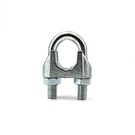


Selecting the appropriate shackle for a job is a critical decision that can significantly impact the safety and efficiency of your operations. As a shackle supplier, I understand the importance of making the right choice, and I'm here to guide you through the process. In this blog post, I'll share some key factors to consider when choosing a shackle, and I'll also provide some recommendations based on different types of applications.
Understanding the Basics of Shackles
Before we dive into the selection process, let's start by understanding the basic components and types of shackles. A shackle is a U-shaped piece of metal with a pin or bolt that closes the opening. It is used to connect various components in a lifting or rigging system, such as chains, ropes, or cables. Shackles come in different shapes, sizes, and materials, each designed for specific applications.
The most common types of shackles include:


- Dee Shackles: These are the most widely used type of shackles. They have a D-shaped body and are typically used for general lifting and rigging applications. You can find high-quality Jis Type Screw Pin Chain Dee Shackle on our website, which are suitable for a variety of industries.
- Bow Shackles: Also known as anchor shackles, bow shackles have a rounded body that allows for multi-directional loading. They are commonly used in marine applications and heavy-duty lifting operations. Our European Type Large Dee Shackles are an excellent choice for applications that require a large capacity and high strength.
- Round Pin Shackles: These shackles have a round pin that is inserted through the holes in the shackle body. They are easy to install and remove, but they may not be suitable for applications where the pin could come loose.
- Screw Pin Shackles: Screw pin shackles have a threaded pin that can be tightened or loosened using a wrench. They are more secure than round pin shackles and are commonly used in applications where the pin needs to be removed frequently.
- Safety Pin Shackles: Safety pin shackles have a locking mechanism that prevents the pin from coming loose. They are the most secure type of shackles and are typically used in critical applications where safety is a top priority.
Factors to Consider When Choosing a Shackle
Now that you have a basic understanding of the different types of shackles, let's discuss the key factors to consider when choosing the right shackle for your job.
Load Capacity
The load capacity of a shackle is one of the most important factors to consider. It refers to the maximum weight that the shackle can safely support without failing. When selecting a shackle, you need to ensure that its load capacity is greater than the weight of the load you will be lifting or rigging. It's also important to consider the dynamic loads that may be applied to the shackle, such as shock loads or vibrations.
Working Environment
The working environment in which the shackle will be used is another important factor to consider. Different environments can have a significant impact on the performance and durability of the shackle. For example, if the shackle will be used in a corrosive environment, such as a marine or chemical application, you need to choose a shackle that is made from a corrosion-resistant material, such as stainless steel or galvanized steel.
Type of Application
The type of application for which the shackle will be used is also an important consideration. Different applications may require different types of shackles. For example, if you are using the shackle to connect two chains, you may need a shackle with a specific size and shape to ensure a proper fit. If you are using the shackle in a lifting application, you may need a shackle with a high load capacity and a safety pin to prevent the pin from coming loose.
Material
The material from which the shackle is made is another important factor to consider. Different materials have different properties, such as strength, durability, and corrosion resistance. The most common materials used for shackles include carbon steel, alloy steel, and stainless steel. Carbon steel shackles are the most economical option, but they may not be suitable for applications where corrosion resistance is required. Alloy steel shackles are stronger and more durable than carbon steel shackles, but they are also more expensive. Stainless steel shackles are the most corrosion-resistant option, but they are also the most expensive.
Size and Shape
The size and shape of the shackle are also important considerations. You need to choose a shackle that is the right size and shape for your application. The size of the shackle is typically determined by its diameter and length. The shape of the shackle is determined by its design, such as a D-shape or a bow shape.
Recommendations for Different Types of Applications
Based on the factors discussed above, here are some recommendations for different types of applications:
General Lifting and Rigging
For general lifting and rigging applications, a screw pin chain dee shackle is a good choice. It is easy to install and remove, and it has a high load capacity. You can find a variety of Jis Type Screw Pin Chain Dee Shackle on our website, which are suitable for a wide range of industries.
Marine Applications
For marine applications, a bow shackle made from stainless steel is a good choice. It is corrosion-resistant and has a rounded body that allows for multi-directional loading. Our European Type Large Dee Shackles are an excellent choice for marine applications, as they are made from high-quality stainless steel and have a large capacity.
Trawling Applications
For trawling applications, a trawling chain shackle with a square head pin is a good choice. It is designed to withstand the high loads and stresses associated with trawling operations. You can find high-quality Trawling Chain Shackle with Square Head Pin on our website, which are suitable for a variety of trawling applications.
Conclusion
Choosing the right shackle for a job is a critical decision that can significantly impact the safety and efficiency of your operations. By considering the factors discussed in this blog post, such as load capacity, working environment, type of application, material, size, and shape, you can make an informed decision and choose the right shackle for your needs.
If you have any questions or need further assistance in choosing the right shackle for your job, please don't hesitate to contact us. Our team of experts is always ready to help you find the best solution for your specific requirements. We look forward to working with you and providing you with high-quality shackles that meet your needs.
References
- ASME B30.26 - Slings
- ISO 2415 - Shipbuilding and marine structures -- Shackles
- Crosby Group. (n.d.). Shackle Selection Guide. Retrieved from [Crosby's official website]
- Peerless Chain Company. (n.d.). Shackle Buying Guide. Retrieved from [Peerless Chain's official website]