


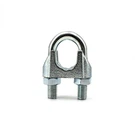


Maintaining a shackle is a crucial aspect of ensuring its longevity, safety, and optimal performance. As a shackle supplier, I understand the significance of proper maintenance, which not only extends the lifespan of these essential components but also guarantees the safety of the operations in which they are used. In this blog, I will share some comprehensive guidelines on how to maintain a shackle effectively.


1. Regular Inspection
Regular inspection is the first line of defense in shackle maintenance. Before and after each use, a visual inspection should be carried out. Check for any signs of wear, such as cracks, deformation, or corrosion. Pay close attention to the pin area, as this is a common point of stress and potential failure. For instance, a small crack in the pin can lead to a catastrophic failure under load.
Inspect the shackle body for any bends or twists. These can indicate that the shackle has been overloaded or subjected to improper use. If any signs of damage are detected, the shackle should be immediately taken out of service and replaced.
2. Cleaning
Cleaning is an essential part of shackle maintenance. Over time, shackles can accumulate dirt, grime, and other contaminants, which can accelerate corrosion and wear. Use a mild detergent and warm water to clean the shackle thoroughly. A soft brush can be used to remove stubborn dirt from hard - to - reach areas.
After cleaning, rinse the shackle with clean water to remove any remaining detergent. Dry the shackle completely to prevent the formation of rust. If the shackle has been used in a marine environment, it is especially important to clean it after each use, as saltwater is highly corrosive.
3. Lubrication
Lubrication plays a vital role in the smooth operation of a shackle. Apply a high - quality lubricant to the pin and the mating surfaces of the shackle. This helps to reduce friction, prevent galling, and protect against corrosion.
When choosing a lubricant, select one that is suitable for the specific environment in which the shackle will be used. For example, in a marine environment, a water - resistant lubricant is recommended. Apply the lubricant evenly and ensure that it penetrates all the moving parts.
4. Storage
Proper storage is key to maintaining the integrity of a shackle. When not in use, store the shackles in a dry, clean place. Avoid storing them in areas where they are exposed to moisture, chemicals, or extreme temperatures.
If possible, store the shackles in a dedicated storage rack or container to prevent them from coming into contact with other objects that could cause damage. Hanging the shackles by the pin can also help to prevent deformation.
5. Load Capacity Awareness
Understanding and respecting the load capacity of a shackle is fundamental to its maintenance. Each shackle has a specified working load limit (WLL), which should never be exceeded. Overloading a shackle can cause permanent deformation, cracking, or even failure.
Before using a shackle, always check its WLL and ensure that the load being lifted or secured is within this limit. If you are unsure about the load capacity, consult the manufacturer's documentation or seek professional advice.
6. Proper Installation
Proper installation is essential for the safe and effective use of a shackle. Ensure that the pin is fully inserted and tightened according to the manufacturer's specifications. A loose pin can cause the shackle to come apart under load, leading to a dangerous situation.
When installing the shackle, make sure that it is properly aligned with the load and the connecting components. Avoid using the shackle in a way that subjects it to side loading, as this can significantly reduce its strength.
7. Special Considerations for Different Types of Shackles
There are various types of shackles available in the market, each with its own unique features and maintenance requirements.
- US Standard Bolt Type Anchor Bow Shackle G2130: This type of shackle is commonly used in heavy - duty applications. When maintaining the US Standard Bolt Type Anchor Bow Shackle G2130, pay special attention to the bolt and nut. Ensure that they are tightened securely and that the threads are clean and free from damage.
- Trawling Chain Shackle with Square Head Pin: Trawling chain shackles are often used in the fishing industry. They are exposed to harsh marine environments, so corrosion prevention is a top priority. Regularly check the square head pin for signs of wear and ensure that it fits snugly in the shackle body. You can find more information about the Trawling Chain Shackle with Square Head Pin on our website.
- Galvanized US Type Bolt Type Chain D Shackle G2150: The galvanized coating on this shackle provides protection against corrosion. However, over time, the coating may wear off in some areas. Inspect the coating regularly and touch up any damaged areas with a suitable galvanizing paint. For detailed product information, visit Galvanized US Type Bolt Type Chain D Shackle G2150.
Conclusion
Maintaining a shackle is a multi - faceted process that requires attention to detail and adherence to best practices. By following the guidelines outlined in this blog, you can ensure that your shackles remain in good condition, perform reliably, and provide long - term service.
As a shackle supplier, we are committed to providing high - quality shackles and sharing our expertise on their maintenance. If you have any questions about shackle maintenance or are interested in purchasing our products, please feel free to contact us for further discussion and procurement negotiations. We look forward to serving you and meeting your shackle needs.
References
- "Shackle Handbook" - Industry standard publication on shackle design, use, and maintenance.
- Manufacturer's product manuals for various types of shackles.