


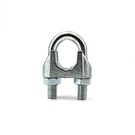


Hey there! As a shackle supplier, I often get asked about how these nifty little pieces of hardware work. So, I thought I'd take a few minutes to break it down for you in a way that's easy to understand. Whether you're new to the world of lifting or just looking to brush up on your knowledge, this post is for you.
What is a Lifting Shackle?
Let's start with the basics. A lifting shackle is a U-shaped piece of metal with a pin or bolt across the opening. It's used to connect different components in a lifting or rigging system. You'll find them in all sorts of industries, from construction and manufacturing to shipping and transportation. They're essential for safely moving heavy loads, and they come in a variety of shapes, sizes, and types to suit different applications.
Types of Lifting Shackles
There are several types of lifting shackles, but the most common ones are the Dee shackle and the bow shackle. Dee shackles have a D-shaped body and are typically used for applications where the load is applied in a single direction. Bow shackles, on the other hand, have a rounded body and can handle loads from multiple directions.
Within these two main categories, there are also different types of pins. The most common ones are the round pin and the screw pin. Round pins are simple and easy to use, but they're not as secure as screw pins. Screw pins have a threaded end that can be tightened to prevent the pin from coming loose.
Here are a few examples of the shackles we offer:
- US Type Forged Round Pin Chain Dee Shackle G215: This is a popular choice for general lifting applications. It's made from high-quality forged steel and has a round pin for easy installation.
- Jis Type Screw Pin Chain Dee Shackle with Counter Sunk Head: This shackle is designed for use in applications where the pin needs to be flush with the body of the shackle. It has a screw pin for added security and a counter sunk head for a smooth finish.
- Jis Type Screw Pin Chain Dee Shackle: Similar to the previous one, but without the counter sunk head. It's a versatile shackle that can be used in a variety of applications.
How Does a Lifting Shackle Work?
Now that we know what a lifting shackle is and the different types available, let's take a look at how it actually works.
Step 1: Select the Right Shackle
The first step is to choose the right shackle for your application. You need to consider factors such as the weight of the load, the type of load, the direction of the load, and the working environment. Make sure to select a shackle that has a working load limit (WLL) that is greater than the weight of the load you'll be lifting.
Step 2: Inspect the Shackle
Before using the shackle, it's important to inspect it for any signs of damage or wear. Check for cracks, dents, or any other defects that could affect its performance. Make sure the pin is in good condition and that it fits snugly in the shackle body.
Step 3: Install the Shackle
Once you've selected and inspected the shackle, it's time to install it. If you're using a round pin shackle, simply insert the pin through the holes in the shackle body and the components you're connecting. If you're using a screw pin shackle, thread the pin into the shackle body and tighten it securely.
Step 4: Apply the Load
With the shackle installed, you can now apply the load. Make sure the load is centered and evenly distributed across the shackle. Avoid applying any side loads or twisting forces, as this can cause the shackle to fail.
Step 5: Monitor the Shackle
While the load is being lifted, it's important to monitor the shackle for any signs of movement or stress. Check the pin to make sure it's still tight and that there are no signs of deformation or damage. If you notice any problems, stop the lifting operation immediately and inspect the shackle.
Step 6: Remove the Shackle
Once the load has been safely lifted and placed in its desired location, it's time to remove the shackle. If you're using a round pin shackle, simply remove the pin. If you're using a screw pin shackle, loosen the pin and remove it.
Safety Tips
Lifting shackles are powerful tools, but they can also be dangerous if not used correctly. Here are some safety tips to keep in mind:
- Use the Right Shackle: Always choose a shackle that is rated for the weight and type of load you'll be lifting.
- Inspect the Shackle: Before using the shackle, inspect it for any signs of damage or wear. Replace any damaged or worn shackles immediately.
- Install the Shackle Correctly: Make sure the shackle is installed correctly and that the pin is tightened securely.
- Avoid Overloading: Never exceed the working load limit (WLL) of the shackle.
- Use Proper Lifting Techniques: Make sure the load is centered and evenly distributed across the shackle. Avoid applying any side loads or twisting forces.
- Monitor the Shackle: While the load is being lifted, monitor the shackle for any signs of movement or stress.
- Store the Shackle Properly: When not in use, store the shackle in a dry, clean place to prevent corrosion and damage.
Conclusion
So, there you have it! A brief overview of how a lifting shackle works. As you can see, it's a simple but essential piece of hardware that plays a crucial role in many lifting and rigging applications. By following the steps outlined above and using the right safety precautions, you can ensure that your lifting operations are safe and successful.
If you're in the market for high-quality lifting shackles, we'd love to hear from you. We offer a wide range of shackles to suit different applications and budgets, and our team of experts is always on hand to help you choose the right one for your needs. Whether you're a small business or a large corporation, we can provide you with the products and services you need to get the job done. So, don't hesitate to contact us today to discuss your requirements and get a quote.


References
- Crosby Group. (n.d.). Lifting and Rigging Handbook.
- OSHA. (n.d.). Lifting and Rigging Safety.