




Hey there! As a shackle supplier, I often get asked about the difference between a shackle and a carabiner. It's a common question, especially for those new to the world of rigging, climbing, or any activity that involves securing loads or connecting equipment. So, let's dive right in and clear up the confusion.
What's a Shackle?
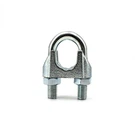
First off, let's talk about shackles. A shackle is a U-shaped piece of metal with a pin or bolt that closes the opening. It's a super versatile piece of hardware used in a ton of industries, from construction and shipping to marine and outdoor recreation. Shackles come in different shapes, sizes, and types, each designed for specific applications.
One of the most popular types is the US Type Round Pin Anchor Shackle G213. This shackle is made of high-strength steel and is great for heavy-duty applications like anchoring boats or securing large loads. The round pin design makes it easy to install and remove, and it provides a reliable connection.
Another type is the Jis Type Screw Pin Chain Dee Shackle. This shackle is commonly used in the chain industry. The screw pin allows for quick and easy installation, and it can be tightened to ensure a secure fit. It's often used in applications where the load needs to be adjusted or removed frequently.
The US Type Forged Screw Pin Chain or Dee Shackle G210 is also a popular choice. It's forged for added strength and durability, and the screw pin provides a positive locking mechanism. This shackle is suitable for a wide range of applications, including lifting, towing, and rigging.
What's a Carabiner?
Now, let's move on to carabiners. A carabiner is a metal loop with a spring-loaded gate. It's mainly used in climbing, caving, and other outdoor activities where quick and easy attachment and detachment are essential. Carabiners are designed to be lightweight, strong, and easy to use.
There are different types of carabiners, too. For example, there are locking carabiners, which have an additional mechanism to prevent the gate from accidentally opening. These are often used in situations where safety is a top priority, like when climbing or rappelling. Non-locking carabiners are simpler and are typically used for less critical applications, like attaching keys or small items.
Key Differences
So, what are the main differences between a shackle and a carabiner?
Design
The most obvious difference is in their design. Shackles are U-shaped with a pin or bolt, while carabiners are loop-shaped with a spring-loaded gate. This difference in design affects how they are used and the types of applications they are suitable for.


Strength and Load Capacity
Shackles are generally stronger and have a higher load capacity than carabiners. This is because they are designed for heavy-duty applications and are made of thicker and stronger materials. Carabiners, on the other hand, are designed to be lightweight and are typically used for lighter loads.
Ease of Use
Carabiners are much easier and quicker to use than shackles. The spring-loaded gate allows for one-handed operation, which is great for activities where you need to make quick connections and disconnections. Shackles, on the other hand, often require tools to install and remove the pin or bolt, which can be time-consuming.
Safety
Both shackles and carabiners are designed with safety in mind, but in different ways. Shackles provide a more secure connection because the pin or bolt needs to be intentionally removed. Carabiners, especially locking ones, have mechanisms to prevent accidental opening, but there is still a small risk if not used correctly.
When to Use a Shackle or a Carabiner
Now that you know the differences, when should you use a shackle and when should you use a carabiner?
Use a Shackle When...
- You need to secure heavy loads. Shackles are designed to handle high loads and are ideal for applications like lifting, towing, and anchoring.
- You need a long-lasting and reliable connection. Shackles are made of strong materials and are built to withstand harsh conditions.
- You don't need to make quick connections and disconnections. Since shackles require tools to install and remove, they are not the best choice for applications where speed is essential.
Use a Carabiner When...
- You need to make quick and easy connections and disconnections. Carabiners are perfect for activities like climbing, caving, and backpacking, where you need to be able to attach and detach equipment quickly.
- You need a lightweight solution. Carabiners are designed to be lightweight, which is important for activities where weight is a factor.
- You need to use one hand. The spring-loaded gate on carabiners allows for one-handed operation, which is convenient in many situations.
Conclusion
In conclusion, both shackles and carabiners are important pieces of hardware, but they are designed for different purposes. Shackles are great for heavy-duty applications where strength and reliability are key, while carabiners are ideal for activities where speed and ease of use are important.
If you're in the market for shackles, I'm here to help. As a shackle supplier, I offer a wide range of high-quality shackles to meet your needs. Whether you need a US Type Round Pin Anchor Shackle G213, a Jis Type Screw Pin Chain Dee Shackle, or a US Type Forged Screw Pin Chain or Dee Shackle G210, I've got you covered.
If you have any questions or would like to discuss your specific requirements, feel free to reach out. I'm happy to help you find the right shackles for your application and can provide you with more information on pricing and availability. Let's start a conversation and see how I can assist you in your next project!
References
- "Rigging Handbook" by Crosby Group
- "Climbing Equipment: A Buyer's Guide" by Outdoor Gear Lab