


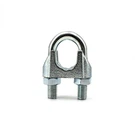


As a turnbuckle supplier, ensuring the proper tightness of turnbuckles is crucial for their safe and effective use. Turnbuckles are essential components in various industries, including construction, marine, and manufacturing, where they are used to adjust tension in cables, ropes, and rods. In this blog post, I will share some practical methods and considerations on how to check the tightness of a turnbuckle.
Understanding the Importance of Turnbuckle Tightness
Before delving into the checking methods, it's important to understand why proper turnbuckle tightness matters. A turnbuckle that is too loose can lead to instability, vibration, and even failure of the entire rigging system. On the other hand, over - tightening a turnbuckle can cause excessive stress on the components, leading to premature wear, deformation, or breakage. Therefore, maintaining the correct tightness is essential for the safety and longevity of the rigging.
Visual Inspection
The first step in checking the tightness of a turnbuckle is a visual inspection. This can provide some initial clues about the state of the turnbuckle.
- Check for Alignment: Ensure that the turnbuckle is properly aligned with the cables or rods it is connecting. Misalignment can indicate improper tension or installation issues. If the turnbuckle is not in line, it may be under uneven stress, which can lead to premature failure.
- Look for Visible Signs of Looseness: Inspect the threads of the turnbuckle. If the threads appear to have excessive play or if the end fittings seem to move freely, it could be a sign that the turnbuckle is loose. Also, check for any gaps between the turnbuckle body and the end fittings. A significant gap may suggest that the turnbuckle has not been tightened enough.
Using Measuring Tools
Visual inspection alone may not be sufficient to accurately determine the tightness of a turnbuckle. Measuring tools can provide more precise information.
- Torque Wrench: A torque wrench is a valuable tool for checking the tightness of turnbuckles. Different turnbuckles have specific torque requirements, which are usually provided by the manufacturer. By using a torque wrench, you can ensure that the turnbuckle is tightened to the recommended torque value. To use a torque wrench, first, select the appropriate socket size for the turnbuckle nut. Then, set the torque wrench to the recommended value and apply the torque to the nut. If the torque reading is below the recommended value, the turnbuckle is too loose; if it exceeds the value, it may be over - tightened.
- Tension Meter: A tension meter can directly measure the tension in the cables or rods connected to the turnbuckle. This is especially useful when dealing with large - scale rigging systems. To use a tension meter, attach it to the cable or rod near the turnbuckle. The meter will display the tension force. Compare the measured tension with the design requirements. If the tension is too low, the turnbuckle may need to be tightened; if it is too high, it may need to be loosened slightly.
Checking Different Types of Turnbuckles
There are various types of turnbuckles available in the market, such as the Din1480 Standard Cast Turnbuckle with Hook and Hook and the US Type Galvanized Forged Turnbuckle Jaw and Eye. Each type may have specific considerations when checking tightness.
- Cast Turnbuckles: Cast turnbuckles, like the Din1480 standard ones, are often used in applications where a relatively high level of strength is required. When checking the tightness of cast turnbuckles, pay special attention to the casting quality. Look for any cracks or porosity in the casting, as these can affect the turnbuckle's strength and tightness. Also, ensure that the hooks are properly engaged and that the threads are not damaged.
- Forged Turnbuckles: Forged turnbuckles, such as the US - type galvanized ones, are known for their high strength and durability. When checking the tightness of forged turnbuckles, check the forging marks and ensure that the surface finish is smooth. Any rough or uneven surfaces may indicate poor forging quality, which can affect the turnbuckle's performance. Additionally, make sure that the jaw and eye fittings are properly seated and that the threads are tightened evenly.
Considerations for Regular Maintenance
Regular maintenance is essential for ensuring the long - term tightness and performance of turnbuckles.
- Lubrication: Apply a suitable lubricant to the threads of the turnbuckle regularly. Lubrication helps to reduce friction during tightening and loosening, which can prevent thread damage and ensure that the turnbuckle can be adjusted easily. It also helps to protect the threads from corrosion, especially in outdoor or marine environments.
- Periodic Inspections: Conduct periodic inspections of the turnbuckles, especially in high - stress or critical applications. Check the tightness at regular intervals and look for any signs of wear, damage, or corrosion. If any issues are detected, take appropriate measures, such as tightening the turnbuckle, replacing damaged components, or applying corrosion protection.
Special Cases and Precautions
- Dynamic Loads: In applications where turnbuckles are subjected to dynamic loads, such as in cranes or moving machinery, the tightness requirements may be more critical. Dynamic loads can cause the turnbuckle to vibrate and loosen over time. In such cases, additional measures, such as using locking nuts or safety wires, may be necessary to prevent loosening.
- Environmental Factors: Environmental factors, such as temperature, humidity, and exposure to chemicals, can affect the tightness of turnbuckles. For example, in high - humidity environments, turnbuckles may be more prone to corrosion, which can lead to loosening. In cold temperatures, the materials may contract, affecting the tension in the turnbuckle. Consider these factors when checking and maintaining the tightness of turnbuckles.
Conclusion
Checking the tightness of a turnbuckle is a crucial step in ensuring the safety and performance of rigging systems. By using a combination of visual inspection, measuring tools, and regular maintenance, you can effectively monitor and adjust the tightness of turnbuckles. As a turnbuckle supplier, we offer a wide range of high - quality turnbuckles, including the Turnbuckle Rigging Screw. If you have any questions about turnbuckle tightness or need assistance in selecting the right turnbuckle for your application, please feel free to contact us for procurement and further discussions.


References
- "Rigging Handbook" by Crosby Group
- Manufacturer's specifications for turnbuckles