


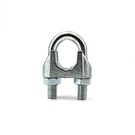


In the realm of mechanical engineering and industrial applications, inline grab hooks play a crucial role in a wide array of operations. As a leading grab hook supplier, I am often asked about the implementation process of inline grab hooks. In this blog post, I will delve into the details of how to implement an inline grab hook effectively, covering everything from understanding the basics to practical installation steps.
Understanding Inline Grab Hooks
Inline grab hooks are specialized hooks designed to provide a secure connection in a straight - line or inline configuration. They are commonly used in applications where there is a need to quickly and securely attach or detach loads, such as in lifting operations, towing, and rigging. These hooks typically feature a spring - loaded mechanism that allows for easy opening and closing, ensuring a tight grip on the load.
One of the key advantages of inline grab hooks is their versatility. They can be used with a variety of rigging components, such as chains, ropes, and cables. For example, you can pair an inline grab hook with a Din1480 Standard Cast Turnbuckle with Hook and Hook to adjust the tension in a rigging system. This combination provides a flexible and reliable solution for many industrial applications.
Selecting the Right Inline Grab Hook
The first step in implementing an inline grab hook is to select the right one for your specific application. Several factors need to be considered when making this selection:
Load Capacity
The load capacity of the inline grab hook is perhaps the most critical factor. You must ensure that the hook can safely support the weight of the load it will be handling. Overloading a hook can lead to failure, which can result in serious accidents and damage to equipment. It is important to refer to the manufacturer's specifications to determine the appropriate load capacity for your needs.
Material
Inline grab hooks are typically made from high - strength materials such as alloy steel or stainless steel. Alloy steel hooks offer excellent strength and durability, making them suitable for heavy - duty applications. Stainless steel hooks, on the other hand, are corrosion - resistant, which is ideal for use in harsh environments or applications where exposure to moisture is a concern.
Hook Design
There are different designs of inline grab hooks available, each with its own unique features. Some hooks have a wide throat opening, which allows for easy attachment to larger objects. Others may have a specialized locking mechanism to prevent accidental opening. Consider the specific requirements of your application when choosing a hook design.
Pre - installation Checks
Before installing an inline grab hook, it is essential to perform a thorough inspection to ensure its safety and functionality.
Visual Inspection
Check the hook for any signs of damage, such as cracks, bends, or excessive wear. Inspect the spring - loaded mechanism to make sure it operates smoothly. Any damaged or worn parts should be replaced immediately.
Function Test
Test the opening and closing of the hook to ensure that it works properly. The hook should open easily when pressure is applied to the release mechanism and close securely when released.
Installation Process
Once you have selected the right inline grab hook and completed the pre - installation checks, you can proceed with the installation.
Step 1: Prepare the Rigging System
If you are using the inline grab hook in a rigging system, prepare the other components such as chains, ropes, or cables. Make sure they are in good condition and properly sized for the application. For example, if you are using a Round Ring in the rigging system, ensure that it is compatible with the inline grab hook.
Step 2: Attach the Hook
Attach the inline grab hook to the appropriate component of the rigging system. This may involve passing a chain or rope through the hook's throat and securing it. Make sure the attachment is tight and secure to prevent the hook from coming loose during operation.
Step 3: Connect to the Load
Once the hook is attached to the rigging system, connect it to the load. Open the hook using the release mechanism and place it around the load. Release the mechanism to allow the hook to close and grip the load securely.


Safety Considerations
Safety should always be the top priority when implementing an inline grab hook.
Regular Inspections
After installation, perform regular inspections of the hook and the entire rigging system. Check for any signs of wear, damage, or loosening. This will help to identify and address potential issues before they lead to accidents.
Training
Ensure that all personnel involved in the operation of the rigging system are properly trained. They should understand how to use the inline grab hook safely, including how to open and close it, how to check for damage, and how to perform pre - and post - operation inspections.
Compliance with Standards
Make sure that the inline grab hook and the entire rigging system comply with relevant industry standards and regulations. For example, in some applications, you may need to use a Jis Type Screw Pin Chain Dee Shackle that meets specific Japanese Industrial Standards.
Maintenance
Proper maintenance is essential to ensure the long - term performance and safety of the inline grab hook.
Lubrication
Periodically lubricate the moving parts of the hook, such as the spring - loaded mechanism, to ensure smooth operation. Use a suitable lubricant recommended by the manufacturer.
Cleaning
Keep the hook clean to prevent the accumulation of dirt, debris, and corrosive substances. If the hook is exposed to a harsh environment, clean it more frequently.
Conclusion
Implementing an inline grab hook requires careful consideration of several factors, including selection, installation, safety, and maintenance. By following the steps outlined in this blog post, you can ensure that your inline grab hook is installed correctly and operates safely and efficiently.
As a grab hook supplier, we are committed to providing high - quality inline grab hooks and other rigging components to meet your industrial needs. If you are interested in purchasing inline grab hooks or have any questions about their implementation, please feel free to contact us for a detailed discussion. We look forward to working with you to find the best solutions for your applications.
References
- "Mechanical Engineering Handbook" - Various authors
- Manufacturer's specifications for inline grab hooks, turnbuckles, round rings, and shackles.