


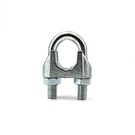


Hey there! As a supplier of G43 hooks, I've seen firsthand how crucial it is to set them up correctly. Whether you're a seasoned pro or just starting out, getting the setup right can make all the difference in terms of safety and efficiency. So, let's dive into how you can set up a G43 hook correctly.
Understanding the G43 Hook
First things first, let's talk a bit about what a G43 hook is. G43 hooks are high - strength lifting hooks commonly used in various industries like construction, manufacturing, and logistics. They're known for their durability and ability to handle heavy loads. These hooks are made from high - quality materials, which gives them the strength to support significant weights.
Before you start setting up your G43 hook, it's essential to check its specifications. Look at the working load limit (WLL), which tells you the maximum weight the hook can safely lift. This information is usually stamped on the hook itself. You don't want to overload the hook, as that can lead to serious accidents.
Pre - setup Checks
Before attaching the G43 hook, you need to do a thorough inspection. Check for any signs of damage such as cracks, bends, or excessive wear. Even a small crack can compromise the hook's integrity, so be really careful. If you notice any damage, don't use the hook. It's better to replace it than to risk a failure during a lift.
Also, make sure the hook's latch is working properly. The latch is the part that keeps the load from accidentally slipping out of the hook. Open and close it a few times to ensure it moves smoothly and locks securely.
Selecting the Right Attachment Point
The next step is to find the right place to attach the G43 hook. This depends on the type of load you're lifting. If it's a single - point lift, you need to make sure the attachment point is centered on the load. This helps to distribute the weight evenly and prevent the load from tipping.
For multi - point lifts, you'll need to use multiple G43 hooks or a lifting beam. When using multiple hooks, make sure they're evenly spaced and attached to appropriate points on the load. This will keep the load balanced during the lift.
Attaching the G43 Hook
Once you've found the right attachment point, it's time to attach the hook. If you're using a chain or a wire rope, make sure it's properly seated in the hook. The chain or rope should fit snugly in the hook's throat, without any kinks or twists.
When attaching the hook to a sling, you need to follow the manufacturer's guidelines. Some slings require a specific type of connection to the hook. For example, some may need to be looped through the hook and then secured with a knot or a clamp.
Securing the Load
After attaching the hook, you need to secure the load. This can be done using additional restraints like straps or chains. Make sure the restraints are tight enough to hold the load in place but not so tight that they damage the load.
If the load has any loose parts, you should secure them separately. This will prevent them from falling off during the lift, which could be dangerous.
Testing the Setup
Before making the actual lift, it's a good idea to do a test. Lift the load a few inches off the ground and hold it there for a few seconds. Check for any signs of instability, such as the load swinging or the hook moving. If everything looks good, you can continue with the lift.
Common Mistakes to Avoid
One common mistake is overloading the hook. Always stay within the hook's working load limit. Another mistake is not inspecting the hook properly. A quick visual check can save you from a lot of trouble.
Also, don't use a damaged hook. It might seem like a minor issue, but it can lead to a catastrophic failure. And make sure to follow all safety regulations and guidelines. This includes wearing the appropriate personal protective equipment (PPE) like hard hats and safety glasses.
Related Products
If you're in the market for other types of hooks, we also offer some great options. Check out our H323 and A323 Forged Eye Grab Hook High Test Or Alloy. These hooks are perfect for applications where you need a strong and reliable grab hook.
We also have the 322a 322c Swivel Hook Forged Alloy Carbon. These swivel hooks are great for situations where you need the hook to rotate freely.
And if you're looking for a slip hook, our H324 and A324 Forged Eye Slip Hook High Test Or Alloy is a great choice. It's designed to easily release the load when needed.
Conclusion
Setting up a G43 hook correctly is not that difficult if you follow the right steps. By doing pre - setup checks, selecting the right attachment point, attaching the hook properly, securing the load, and testing the setup, you can ensure a safe and successful lift.


If you have any questions about G43 hooks or need help with the setup, don't hesitate to reach out. We're here to assist you in getting the most out of your lifting equipment. Whether you're a small business or a large corporation, we can provide you with high - quality G43 hooks and the support you need. Contact us today to start a discussion about your procurement needs.
References
- Crane and Rigging Handbook, by Frank A. Deis
- Lifting Equipment Regulations and Standards, Various Industry Publications