


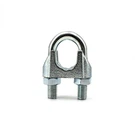


A turnbuckle is a crucial component in many industries, especially those that require tension adjustment in cables, ropes, or rods. As a turnbuckle supplier, I've seen firsthand how the performance of these devices can degrade over time. Recognizing the signs of a worn - out turnbuckle is essential for ensuring safety and maintaining the integrity of your equipment. In this blog, I'll delve into the key indicators that your turnbuckle may be past its prime.
Physical Damage
One of the most obvious signs of a worn - out turnbuckle is physical damage. This can manifest in several ways. Firstly, visible cracks on the body of the turnbuckle are a major red flag. Cracks can occur due to excessive stress, corrosion, or repeated use. For instance, in applications where the turnbuckle is constantly exposed to heavy loads, the metal can weaken over time, leading to the formation of cracks. These cracks can compromise the structural integrity of the turnbuckle, increasing the risk of failure. If you notice any cracks, it's crucial to replace the turnbuckle immediately.
Another form of physical damage is deformation. A turnbuckle that has been bent or warped is no longer functioning as intended. Deformation can be caused by impacts, overloading, or improper installation. For example, if a turnbuckle is installed in a way that it experiences uneven stress, it may start to bend. A deformed turnbuckle may not be able to provide the necessary tension or may cause misalignment in the system it's part of. You can easily spot deformation by visually inspecting the turnbuckle. If it doesn't look straight or if the threads seem misaligned, it's likely damaged.
Corrosion
Corrosion is a common enemy of turnbuckles, especially those used in outdoor or harsh environments. Rust and other forms of corrosion can eat away at the metal, weakening the turnbuckle over time. When corrosion occurs on the threads of the turnbuckle, it can make it difficult to adjust the tension. The corroded material can cause the threads to bind, preventing smooth rotation.
In addition to affecting the threads, corrosion can also lead to pitting on the surface of the turnbuckle. Pitting is the formation of small holes or cavities in the metal. These pits can act as stress concentrators, increasing the likelihood of crack formation. If you notice any signs of rust or pitting on your turnbuckle, it's a sign that it may be nearing the end of its useful life.
To combat corrosion, many turnbuckles are coated or galvanized. For example, our US Type Galvanized Forged Turnbuckle Eye and Eye is designed with a galvanized coating to provide excellent corrosion resistance. However, even with these protective measures, corrosion can still occur over time, especially if the coating is damaged.
Thread Wear
The threads of a turnbuckle are critical for its proper functioning. Over time, the threads can wear down due to repeated use. When the threads are worn, it becomes difficult to achieve and maintain the desired tension. You may notice that the turnbuckle turns more easily than it used to, or that it doesn't hold its position as well.
Thread wear can also be caused by improper lubrication. Without adequate lubrication, the friction between the threads can cause them to wear out faster. In some cases, dirt and debris can also get into the threads, accelerating the wear process. To check for thread wear, you can use a thread gauge or simply inspect the threads visually. If the threads look worn or if there are any signs of damage, it's time to consider replacing the turnbuckle.
Loose or Missing Components
A turnbuckle consists of several components, including the body, the end fittings, and the pins. If any of these components are loose or missing, it can indicate a problem. Loose components can cause the turnbuckle to rattle or move unexpectedly, which can be dangerous in some applications.
Missing components, such as a pin or a nut, can render the turnbuckle useless. For example, if the pin that holds the end fitting in place is missing, the turnbuckle may come apart under tension. Regularly inspecting the turnbuckle for loose or missing components is an important part of maintenance.
Difficulty in Adjustment
If you find it increasingly difficult to adjust the tension of the turnbuckle, it could be a sign of wear. As mentioned earlier, corrosion and thread wear can make it hard to turn the turnbuckle. However, there could also be other issues at play. For example, if the turnbuckle is jammed or if there is debris inside the body, it can prevent smooth adjustment.
In some cases, the problem may be with the end fittings. If the end fittings are not properly aligned or if they are damaged, it can affect the adjustment of the turnbuckle. If you encounter difficulty in adjusting the turnbuckle, it's important to investigate the cause and take appropriate action.


Impact on System Performance
A worn - out turnbuckle can have a significant impact on the performance of the entire system it's part of. For example, in a suspension system, a faulty turnbuckle can cause uneven tension, leading to premature wear of other components. In a rigging application, a worn turnbuckle may not be able to provide the necessary support, increasing the risk of failure.
If you notice any changes in the performance of your system, such as unusual vibrations, misalignment, or reduced load - carrying capacity, it's worth checking the turnbuckles. A simple inspection can often reveal whether the turnbuckle is the source of the problem.
Conclusion
As a turnbuckle supplier, I understand the importance of ensuring that your turnbuckles are in good working condition. By being aware of the signs of a worn - out turnbuckle, you can take proactive steps to replace them before they cause any serious problems. Whether it's physical damage, corrosion, thread wear, or other issues, early detection is key.
We offer a wide range of high - quality turnbuckles, including the Jis Frame Galvanized Turnbuckle with Hook and Eye and US Type Galvanized Forged Turnbuckle Hook and Eye. If you're in need of new turnbuckles or have any questions about our products, don't hesitate to reach out. We're here to help you find the right solution for your needs. Contact us today to start a procurement discussion and ensure the safety and efficiency of your operations.
References
- Machinery's Handbook, Industrial Press Inc.
- ASTM International Standards for Turnbuckles
- Manufacturer's Guidelines for Turnbuckle Maintenance and Inspection