


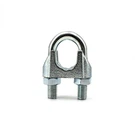


When it comes to the world of rigging and lifting equipment, shackles are indispensable components. As a shackle supplier, I often encounter customers who are confused about the differences between stainless - steel and carbon - steel shackles. In this blog post, I will delve into the key distinctions between these two types of shackles to help you make an informed decision for your specific applications.
Material Composition
The most fundamental difference between stainless - steel and carbon - steel shackles lies in their material composition. Carbon steel is an alloy primarily composed of iron and carbon, with small amounts of other elements such as manganese, silicon, and sulfur. The carbon content in carbon steel typically ranges from 0.05% to 2.1%, which significantly influences its strength and hardness. Higher carbon content generally results in greater strength but reduced ductility.
On the other hand, stainless steel is also an alloy based on iron, but it contains at least 10.5% chromium. The addition of chromium forms a passive oxide layer on the surface of the steel, which gives stainless steel its remarkable corrosion - resistance properties. Other alloying elements like nickel, molybdenum, and titanium may also be added to enhance specific characteristics such as strength, ductility, and resistance to pitting and crevice corrosion.
Corrosion Resistance
One of the most significant differences between stainless - steel and carbon - steel shackles is their corrosion resistance. Carbon - steel shackles, due to the absence of a protective oxide layer, are highly susceptible to rust and corrosion when exposed to moisture, oxygen, and certain chemicals. In environments with high humidity, saltwater, or acidic conditions, carbon - steel shackles can quickly deteriorate, leading to a reduction in their mechanical properties and overall lifespan.
Stainless - steel shackles, however, are designed to withstand harsh environments. The chromium - rich oxide layer on the surface of stainless steel acts as a barrier, preventing oxygen and moisture from reaching the underlying metal. This makes stainless - steel shackles an ideal choice for marine applications, food processing industries, and outdoor environments where corrosion is a major concern. For instance, in the marine industry, Galvanized US Type Bolt Type Chain D Shackle G2150 made of stainless steel can endure the corrosive effects of saltwater for extended periods without significant degradation.
Strength and Durability
Both stainless - steel and carbon - steel shackles can offer high levels of strength, but their performance characteristics differ. Carbon - steel shackles are known for their excellent tensile strength and toughness. They are often used in heavy - duty applications where high load - bearing capacities are required, such as in construction, mining, and heavy machinery. The high carbon content in carbon steel allows it to be heat - treated to achieve specific strength levels, making it suitable for applications that involve lifting and securing large and heavy loads.
Stainless - steel shackles also provide sufficient strength for most applications, but their strength - to - weight ratio may be slightly lower than that of carbon - steel shackles. However, the durability of stainless - steel shackles is enhanced by their corrosion resistance. In environments where corrosion can compromise the integrity of carbon - steel shackles, stainless - steel shackles can maintain their strength and structural integrity over a longer period, reducing the need for frequent replacements.
Cost
Cost is another important factor to consider when choosing between stainless - steel and carbon - steel shackles. Carbon - steel shackles are generally more cost - effective than stainless - steel shackles. The raw materials for carbon steel are more abundant and less expensive, and the manufacturing processes for carbon - steel shackles are relatively simpler. This makes carbon - steel shackles a popular choice for applications where cost is a major consideration and corrosion is not a significant issue.
Stainless - steel shackles, on the other hand, are more expensive due to the higher cost of the alloying elements and the more complex manufacturing processes involved. The additional steps required to ensure the proper formation of the protective oxide layer and the quality control measures to maintain the corrosion - resistance properties contribute to the higher price tag. However, when considering the long - term costs, including replacement and maintenance, stainless - steel shackles may prove to be a more economical choice in corrosive environments.
Applications
The differences in material properties between stainless - steel and carbon - steel shackles make them suitable for different applications. Carbon - steel shackles are commonly used in industrial settings such as construction sites, where they are used to connect chains, ropes, and other rigging components for lifting and moving heavy equipment and materials. They are also widely used in the transportation industry for securing cargo on trucks and trailers. For example, the US Type Forged Screw Pin Chain or Dee Shackle G210 made of carbon steel is a popular choice for these applications due to its high strength and reliability.
Stainless - steel shackles find their niche in applications where corrosion resistance is crucial. In the food and beverage industry, stainless - steel shackles are used to ensure compliance with strict hygiene standards as they do not corrode or contaminate the products. In the marine industry, stainless - steel shackles are used for mooring, towing, and rigging on boats and ships. The Jis Type Screw Pin Chain Dee Shackle made of stainless steel is well - suited for these marine applications.
Conclusion
In summary, the choice between stainless - steel and carbon - steel shackles depends on several factors, including the application environment, load requirements, and budget. Carbon - steel shackles offer high strength and cost - effectiveness, making them ideal for heavy - duty applications in non - corrosive environments. Stainless - steel shackles, on the other hand, provide superior corrosion resistance and long - term durability, making them the preferred choice for applications in harsh and corrosive environments.


As a shackle supplier, I understand the importance of providing the right product for your specific needs. Whether you require carbon - steel shackles for your construction project or stainless - steel shackles for your marine application, I am here to assist you. If you have any questions or would like to discuss your requirements further, please feel free to reach out. We can engage in a detailed procurement discussion to ensure that you get the best shackles for your applications.
References
- ASME B30.26 - 2018, Slings
- ASTM A959 - 04(2019), Standard Guide for Specifying Harmonized Standard Grade Definitions for Wrought Stainless Steels
- ISO 7599:2018, Lifting appliances - Shackles